

House Demolition
Full teardowns of cottages, ranch homes and estates, including foundation removal, utility caps and a graded lot ready for the rebuild your architect has drawn.
House Demolition detailsDemolition contractor for Monterey and Monterey County
Request a demolition quote →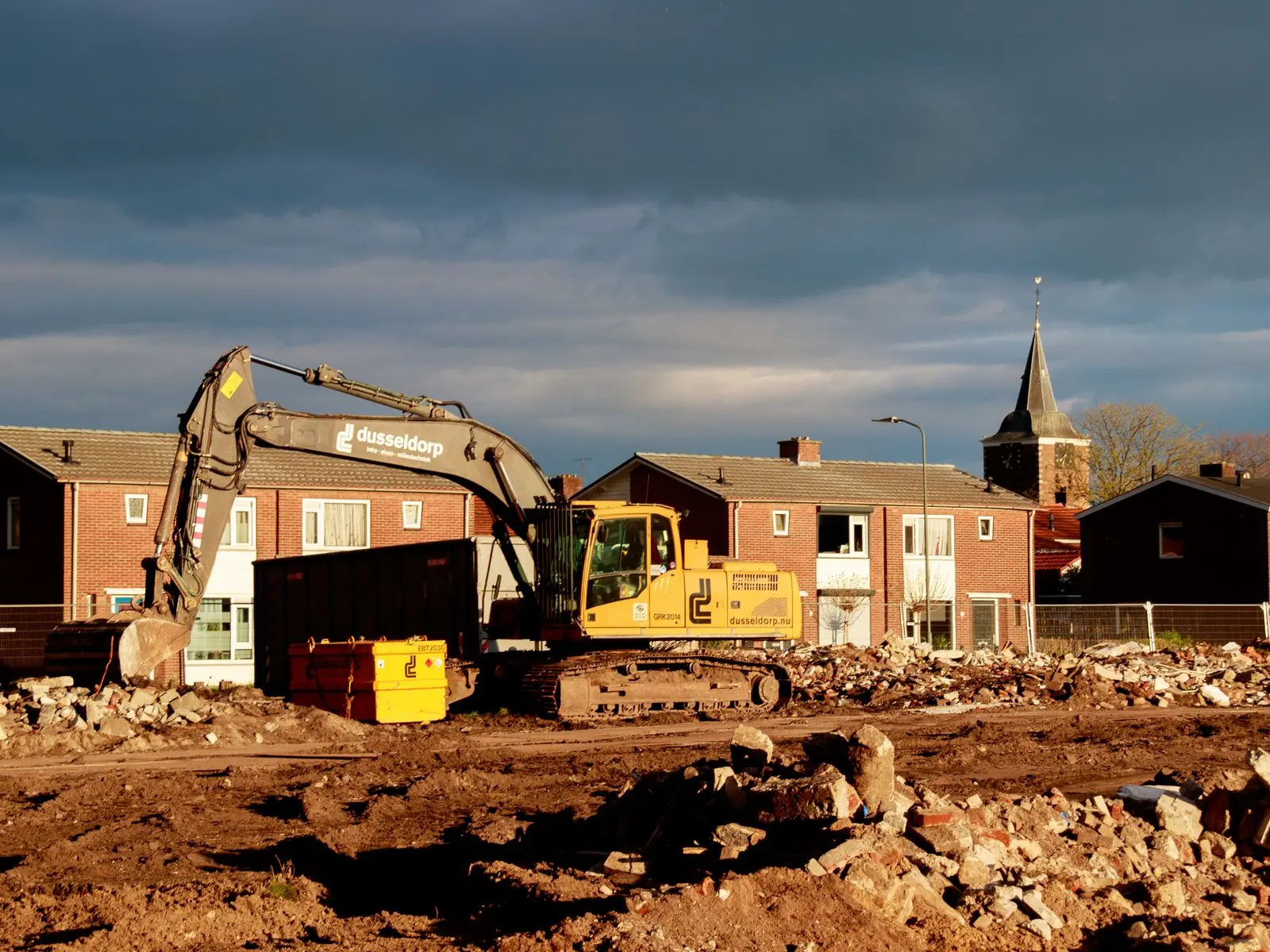
Monterey demolition contractor
We take down houses, garages, interiors, pools, slabs and commercial spaces from Marina to Carmel Valley, and we work out the coastal, historic and tree questions on each parcel before the first wall comes down.
Demolition services in Monterey
Thirteen kinds of demolition and site work, sized for peninsula lots and streets. Pick the one closest to your job; if the work crosses several, such as a house teardown plus pool and driveway removal, we quote it as one project with one schedule and one crew.
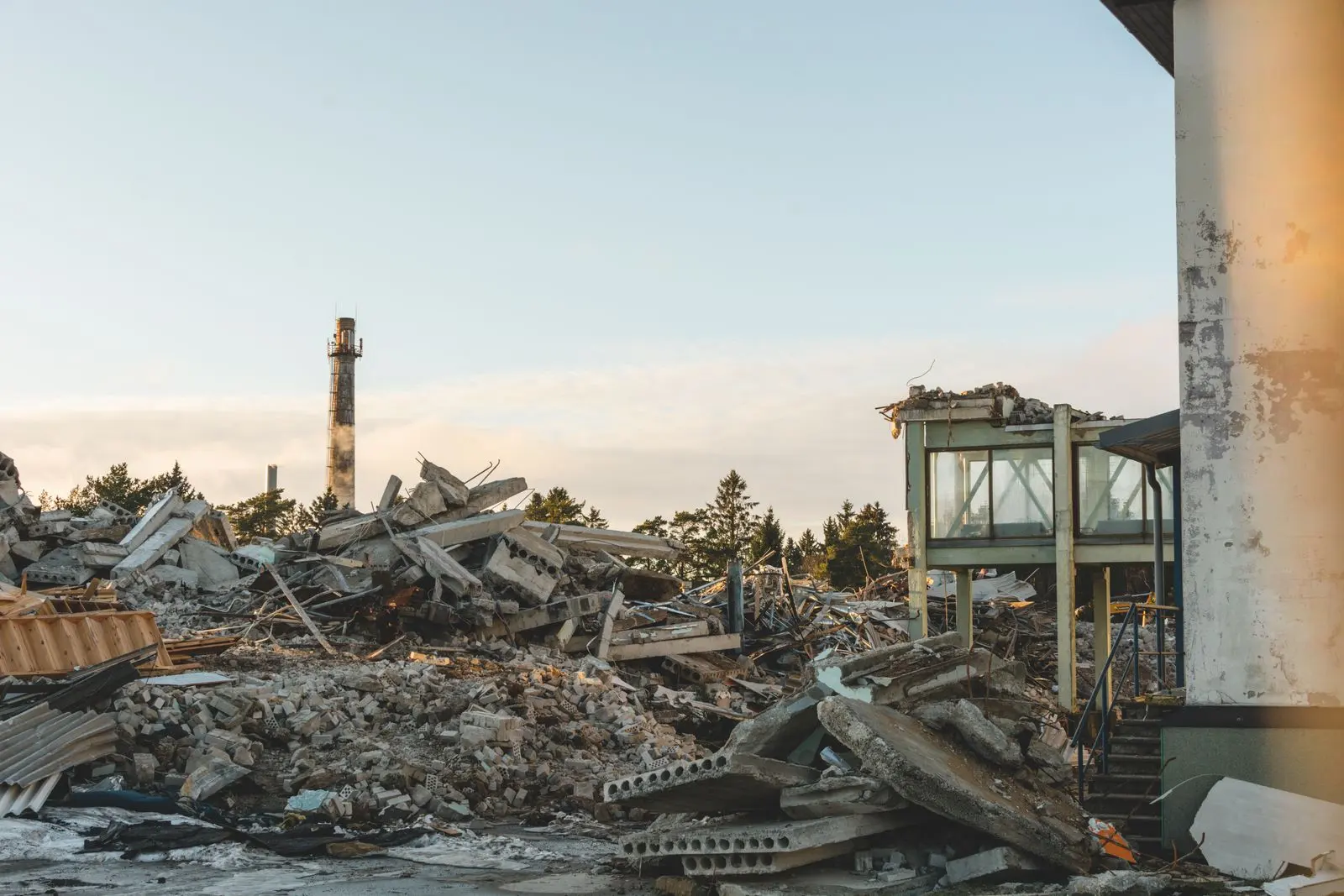
Full teardowns of cottages, ranch homes and estates, including foundation removal, utility caps and a graded lot ready for the rebuild your architect has drawn.
House Demolition details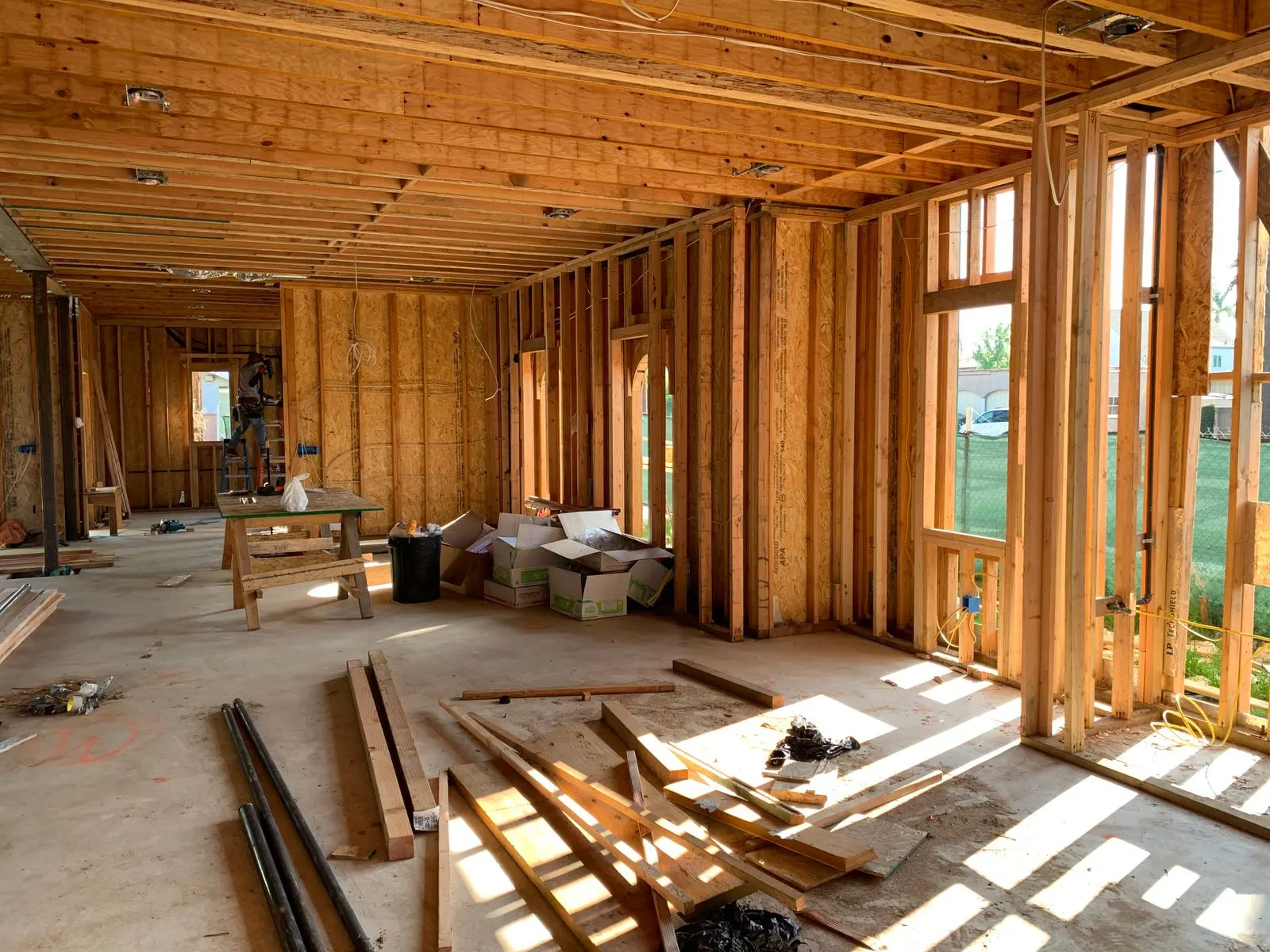
Rooms or whole floors gutted to studs for a remodel, with the structure and anything marked to stay protected from dust and damage.
Interior Demolition details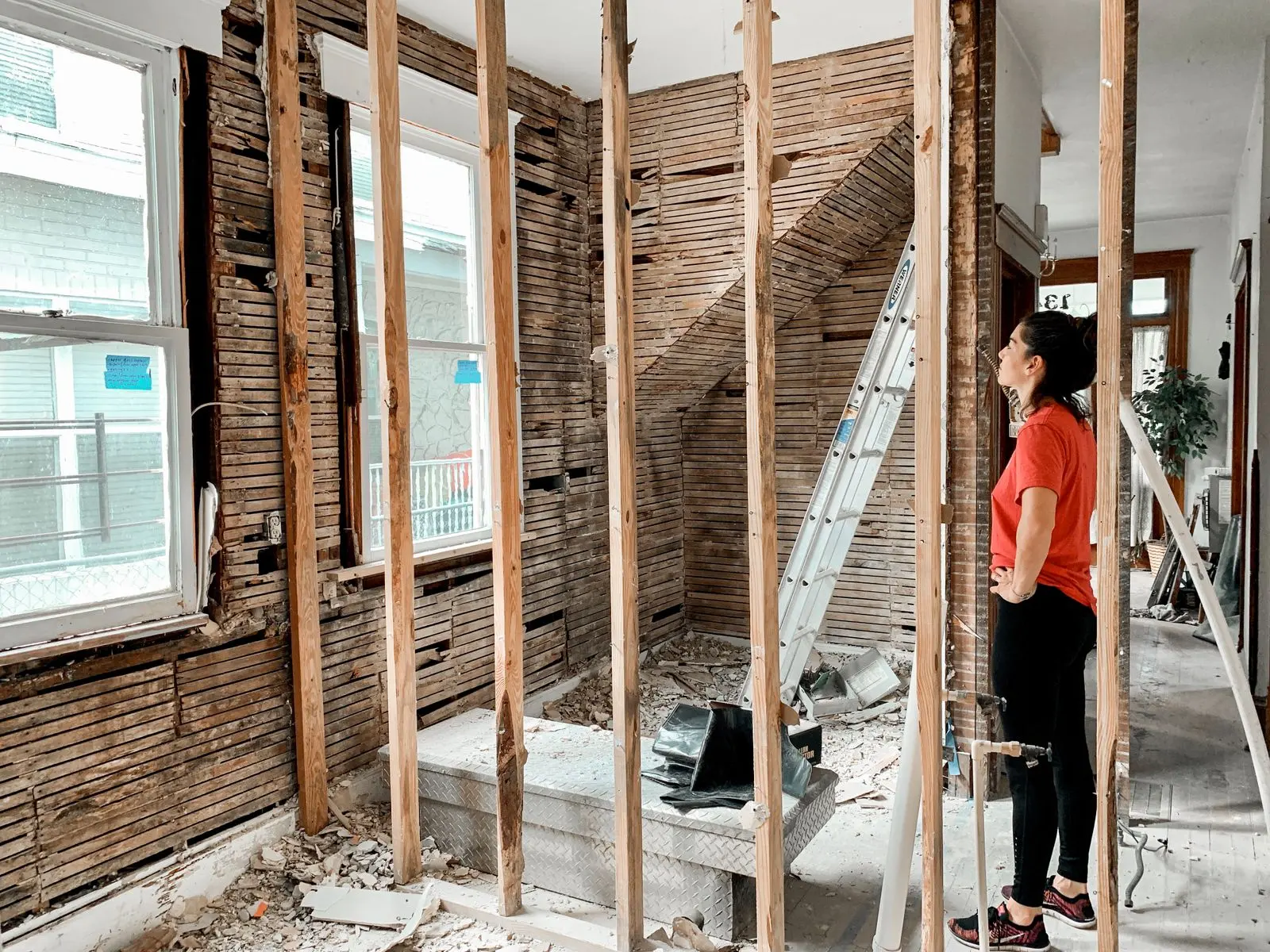
Cabinets, counters, tile, soffits and old appliances taken out so the kitchen contractor starts with clean framing, open walls and gas and water lines capped and marked.
Kitchen Demolition details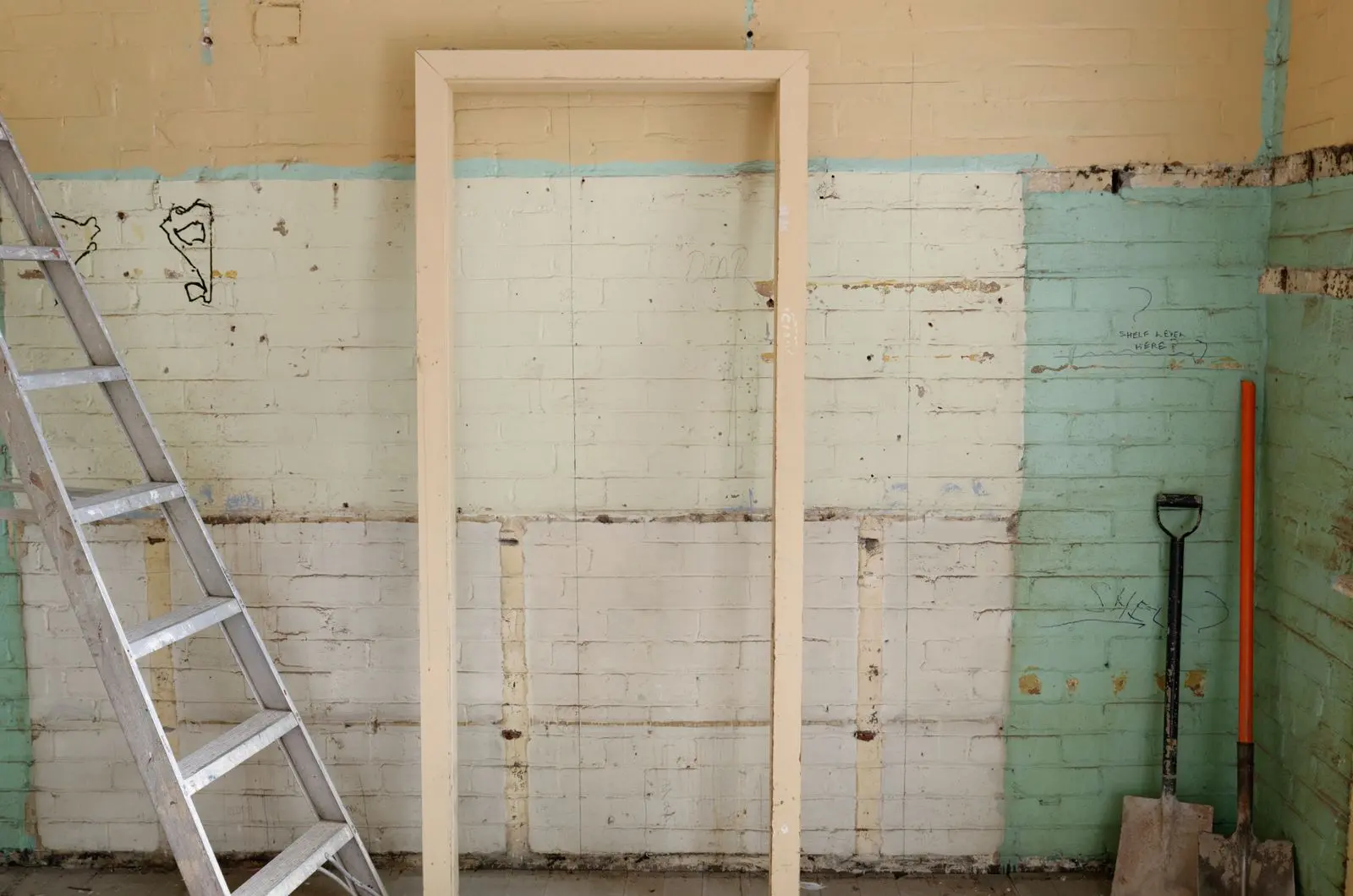
Tile, tubs, mud-set floors and vanities removed from small peninsula bathrooms without cracking the plaster in the hallway next door, and any rot found photographed for your contractor.
Bathroom Demolition details
Detached garages, sheds, carports, barns and workshops taken down and hauled, from a Carmel cottage garage to a Carmel Valley hay barn.
Garages and Sheds details
Old in-ground pools and spas either broken down and filled in place or removed entirely, then backfilled in compacted layers with the paperwork the city or county asks for.
Pool Removal details
Cracked driveways, patios, old slabs, footings and failing retaining walls removed, with the broken concrete crushed for base rock rather than landfilled.
Concrete Removal details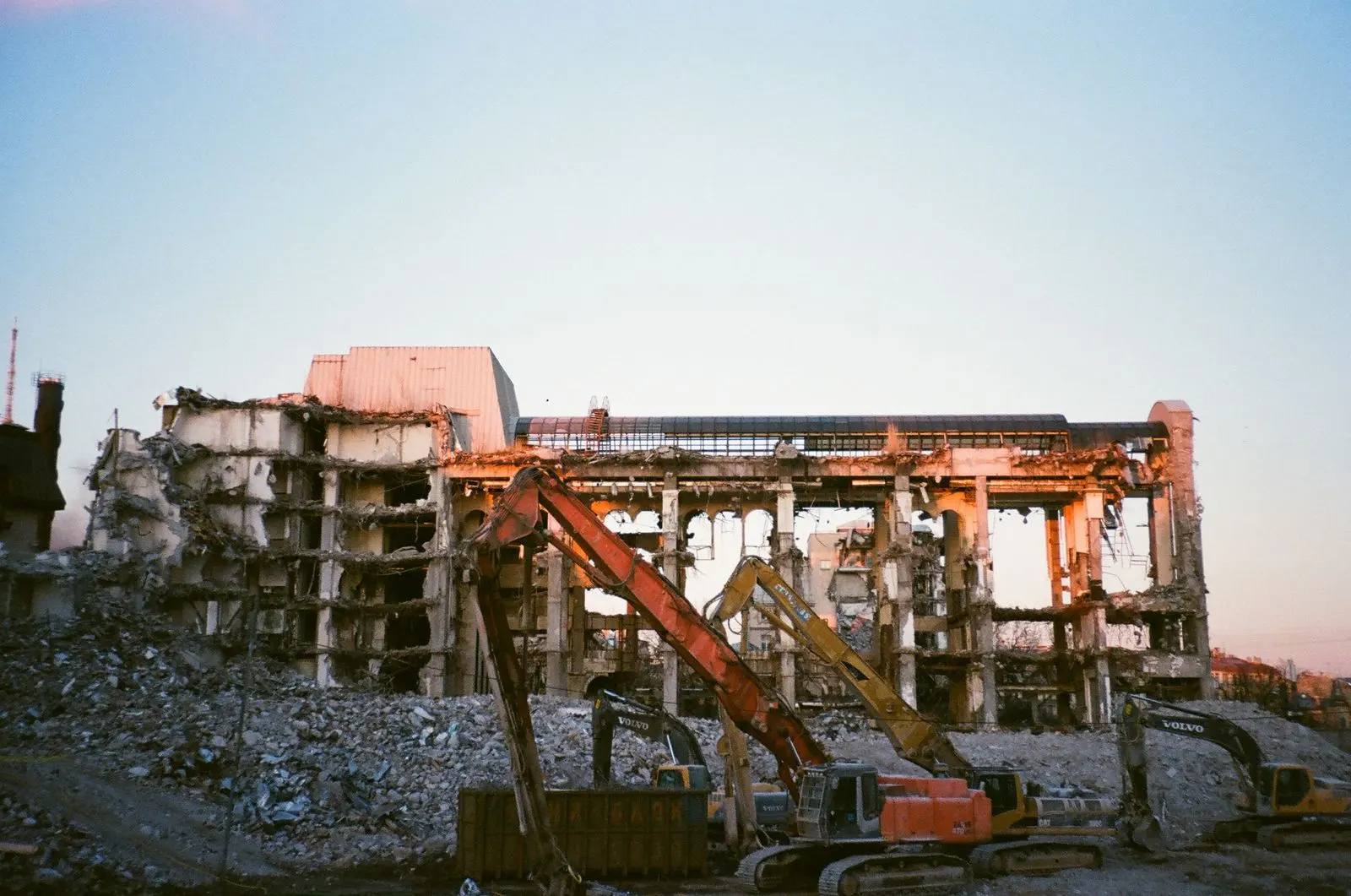
Teardowns of shops, offices, motels and light industrial buildings, with traffic control and dust plans for busy commercial streets and records for the city's recycling requirements.
Commercial Demolition details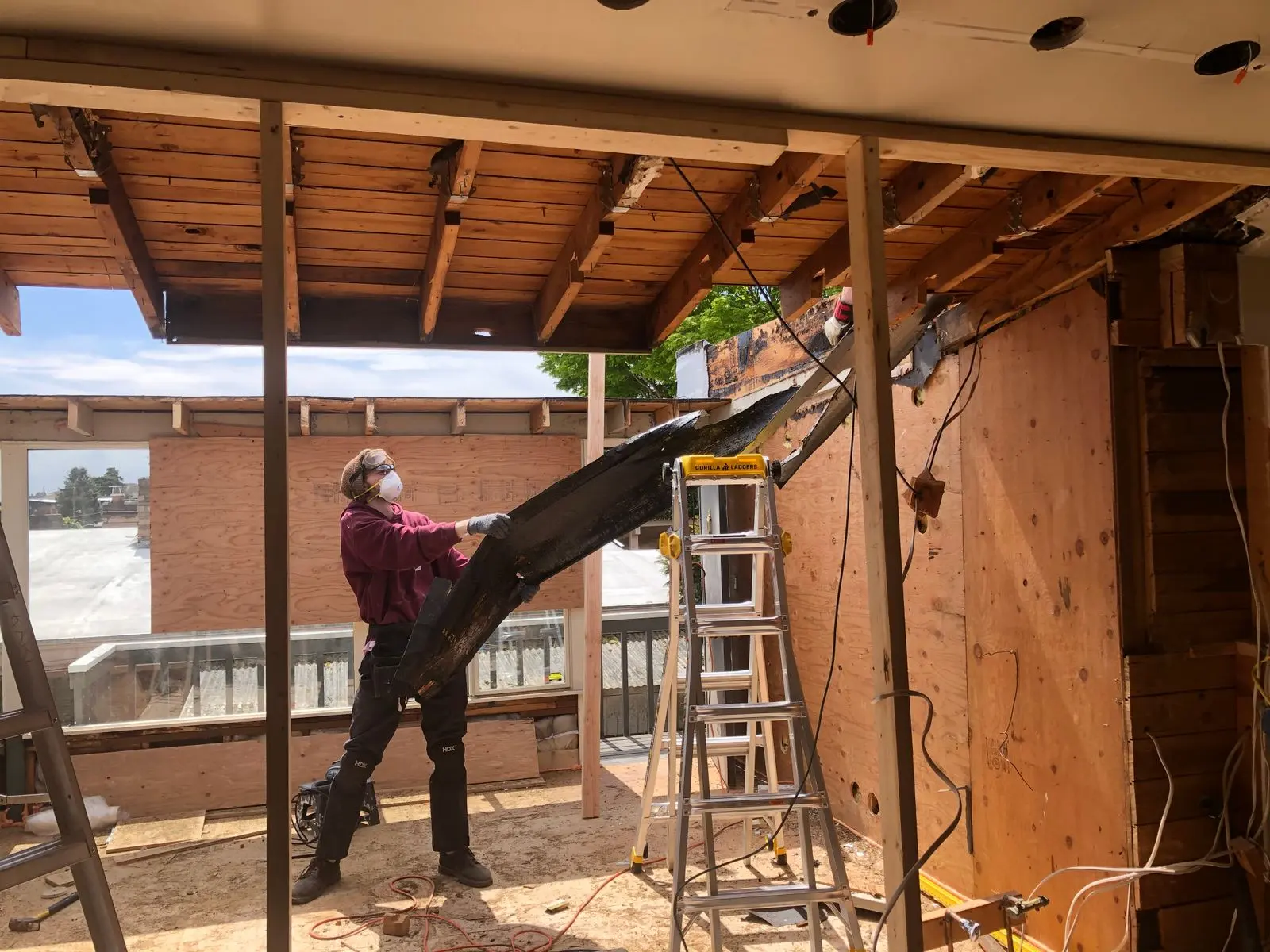
Tenant strip-outs for restaurants, retail and offices, with the shell, sprinklers and shared walls left in place for the next build-out.
Commercial Strip-Outs details
Old parking lots, motel lots and long estate drives milled or torn up, with clean asphalt sent for reuse in new paving.
Asphalt Removal details
Brush, stumps, old fencing and junk cleared, then rough grading so the lot is ready for surveyors, foundations or a new landscape.
Lot Clearing details
Construction and demolition debris loaded, sorted and hauled, sized to trucks that fit narrow streets and tight driveways, with recycling tickets kept for your permit closeout.
Debris Removal details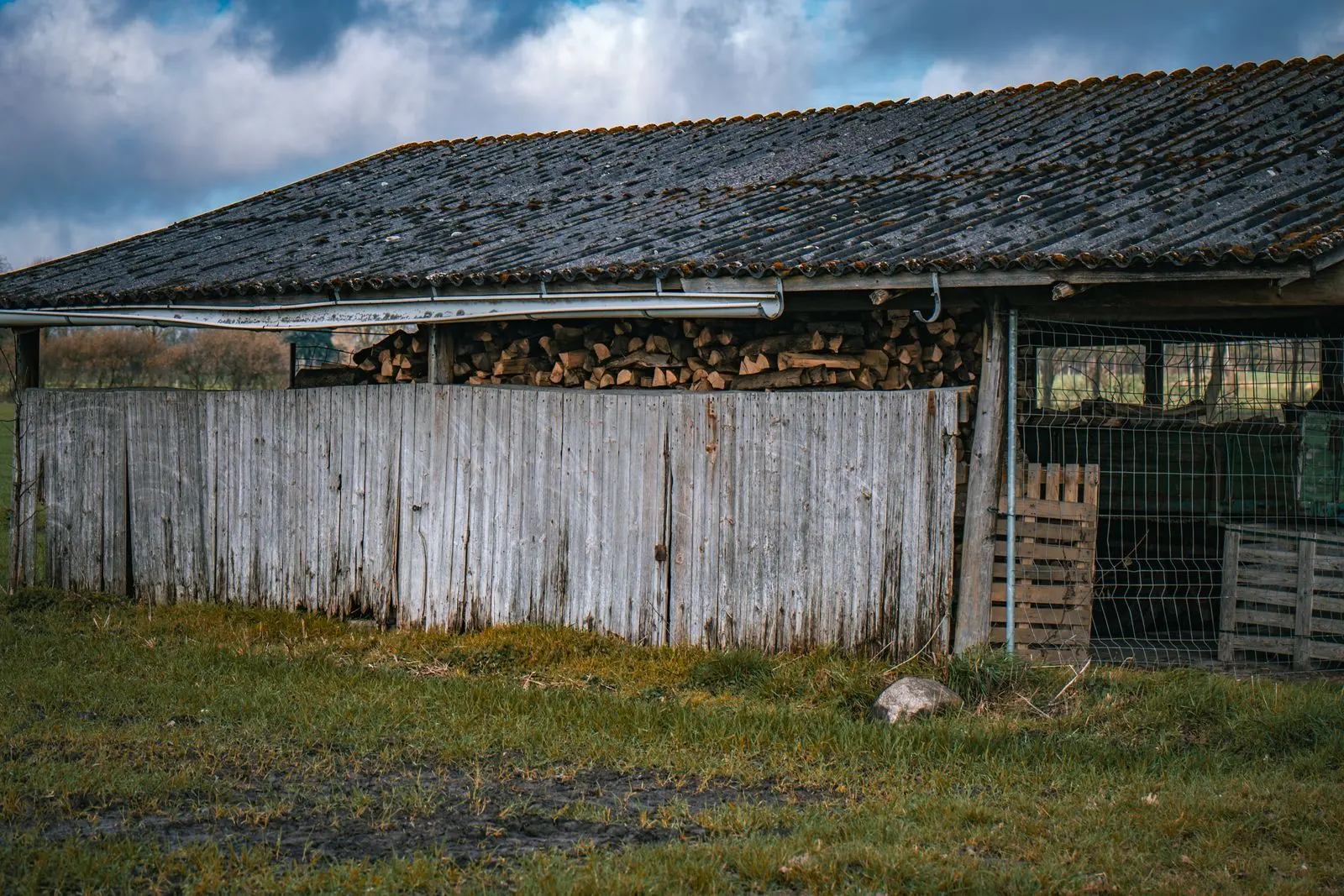
Hand dismantling to salvage old-growth redwood, doors, windows and fixtures from older homes before the rest of the structure comes down.
Deconstruction detailsDescribe what has to come down or come out in Monterey. We will reach out, ask the right questions and put a scope and quote together.
Monterey demolition contractor
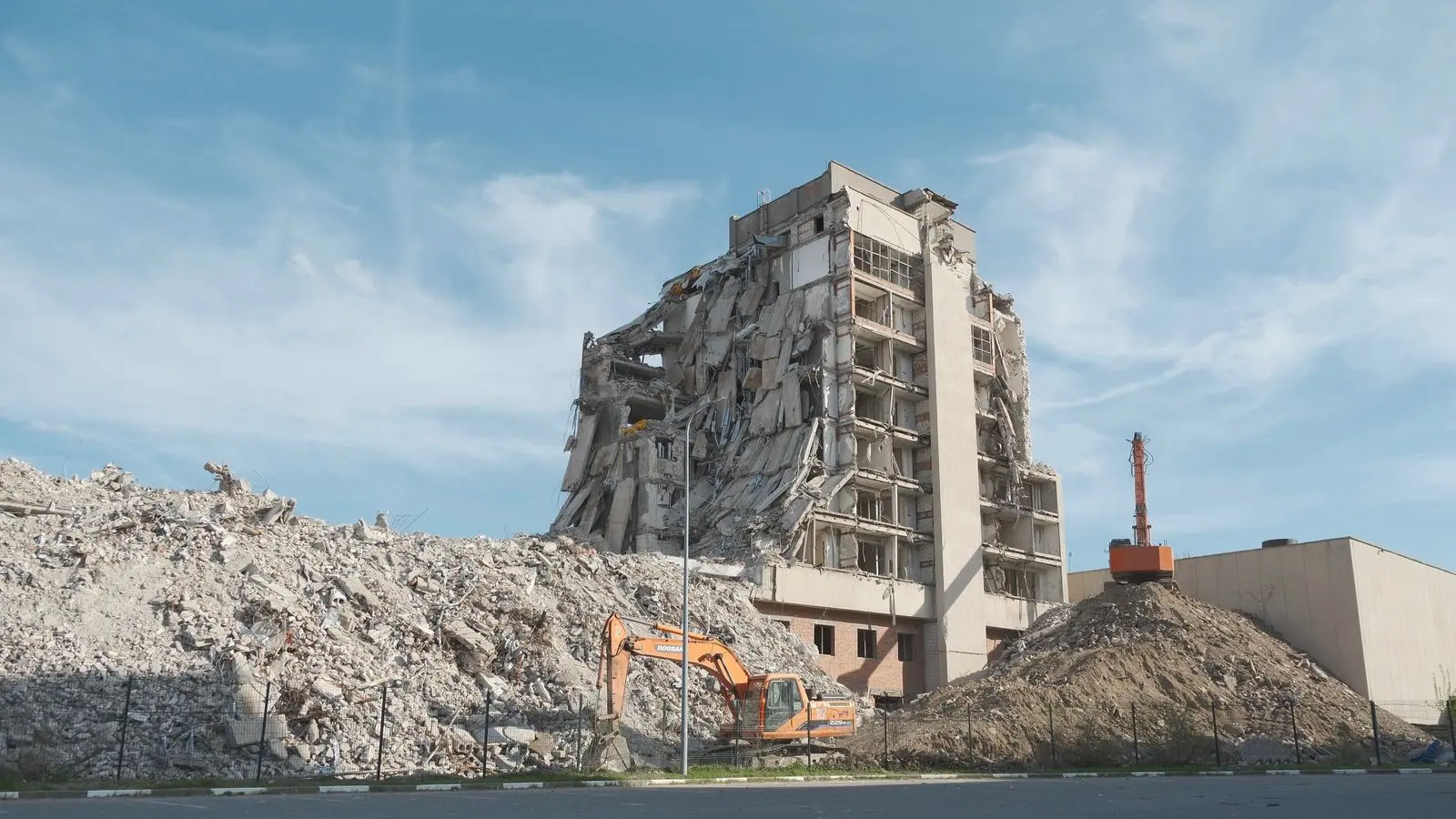
Monterey Demolition Pros handles demolition and site work on the Monterey Peninsula and the valleys behind it. That covers full house teardowns ahead of a rebuild, kitchen and bath tear-outs before a remodel, garage and shed removal, cracked driveways, unused pools, and strip-outs of shops and restaurants along Alvarado Street, Lighthouse Avenue and Del Monte Boulevard. Most jobs here are small in footprint and heavy in paperwork, so planning is half the work.
The peninsula is not a flat tract market. Lots are tight, streets are narrow, trees are protected, and a good share of parcels sit inside the coastal zone or close to a historic building. A crew that rolls up with a full-size excavator and no plan for any of that loses days. We size the machines and trucks to the street, fence off the trees that have to stay, and line up the approvals that apply to that exact parcel.
Typical demolition jobs
These are the kinds of jobs that come up most in the towns around the bay. Each one is shaped by the lot, the street and the agency that permits it, so the scope below is typical rather than a fixed package.
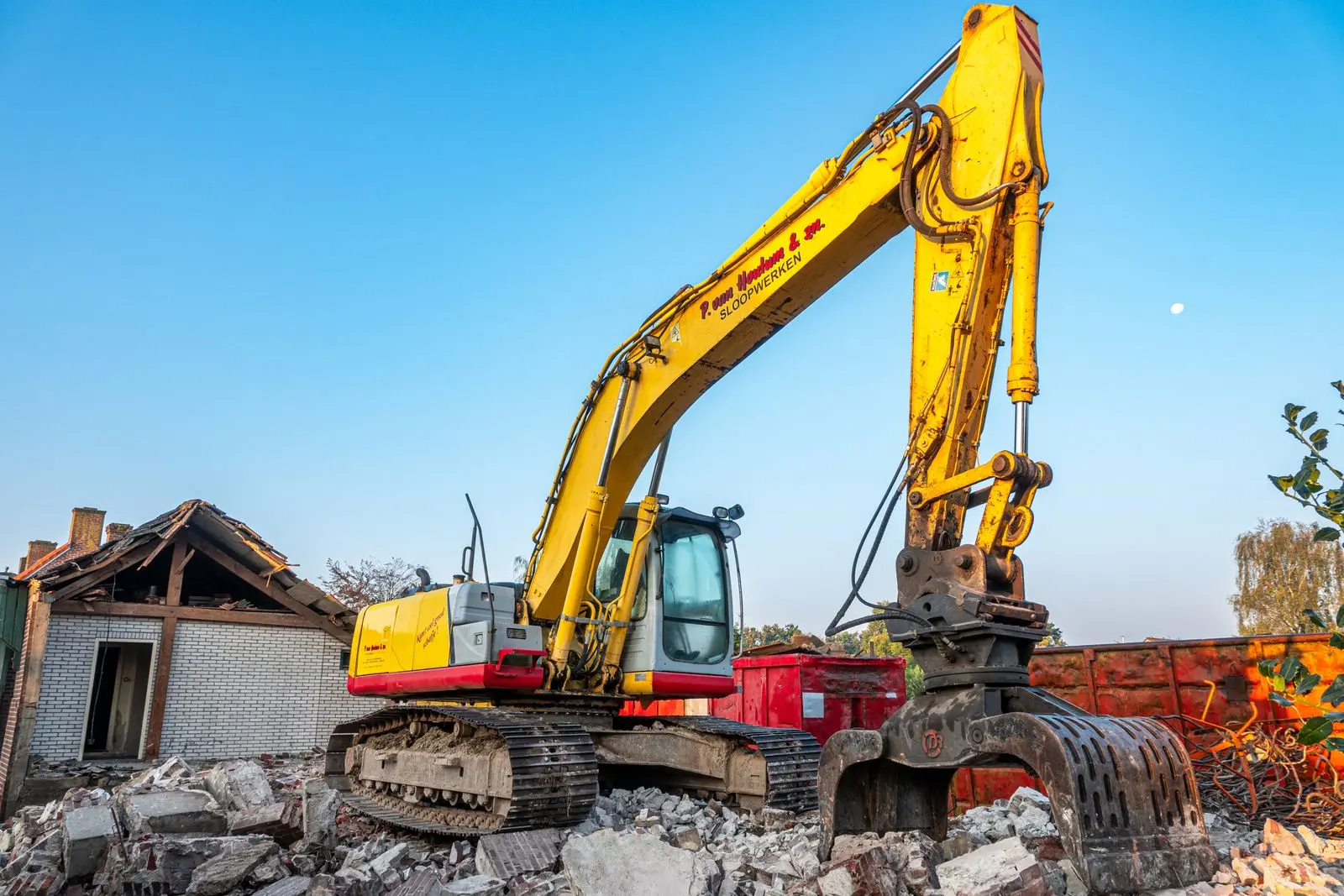
Carmel cottage lots leave almost no room to stage equipment, and many sit under protected pines and oaks. Rebuilds here usually follow a long design review, so when demolition finally starts it has to fit within approved tree protection zones, use small loaders and keep the street open for neighbors.

Older Pebble Beach houses are often torn down so owners can rebuild to current standards. Access runs over private forest roads with gate procedures, and county forest rules protect much of the surrounding Monterey pine, so truck routes, staging and tree fencing are set before the first load leaves.
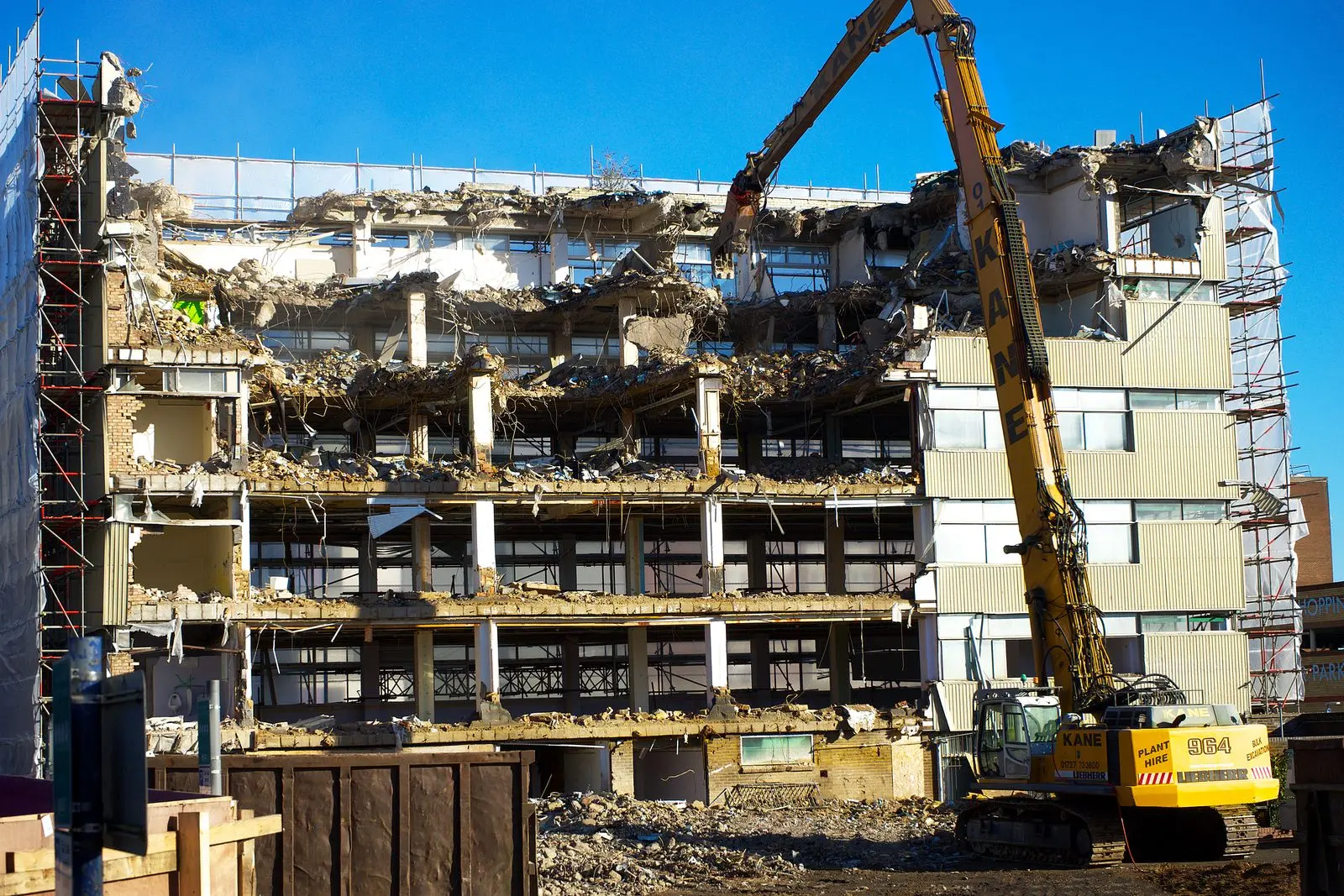
Carmel Valley parcels collect old barns, sheds, water tanks and fencing over decades. Clearing them reduces fire fuel near the house and opens the ground for new building. Septic tanks and leach fields have to be located first so heavy equipment stays off them.

Marina sits on loose dune sand, so removing old slabs and footings leaves holes that cave and shift unless they are backfilled and compacted in lifts. That comes up on infill lots in older neighborhoods and on redevelopment parcels with old military-era foundations.
Know before you demolish
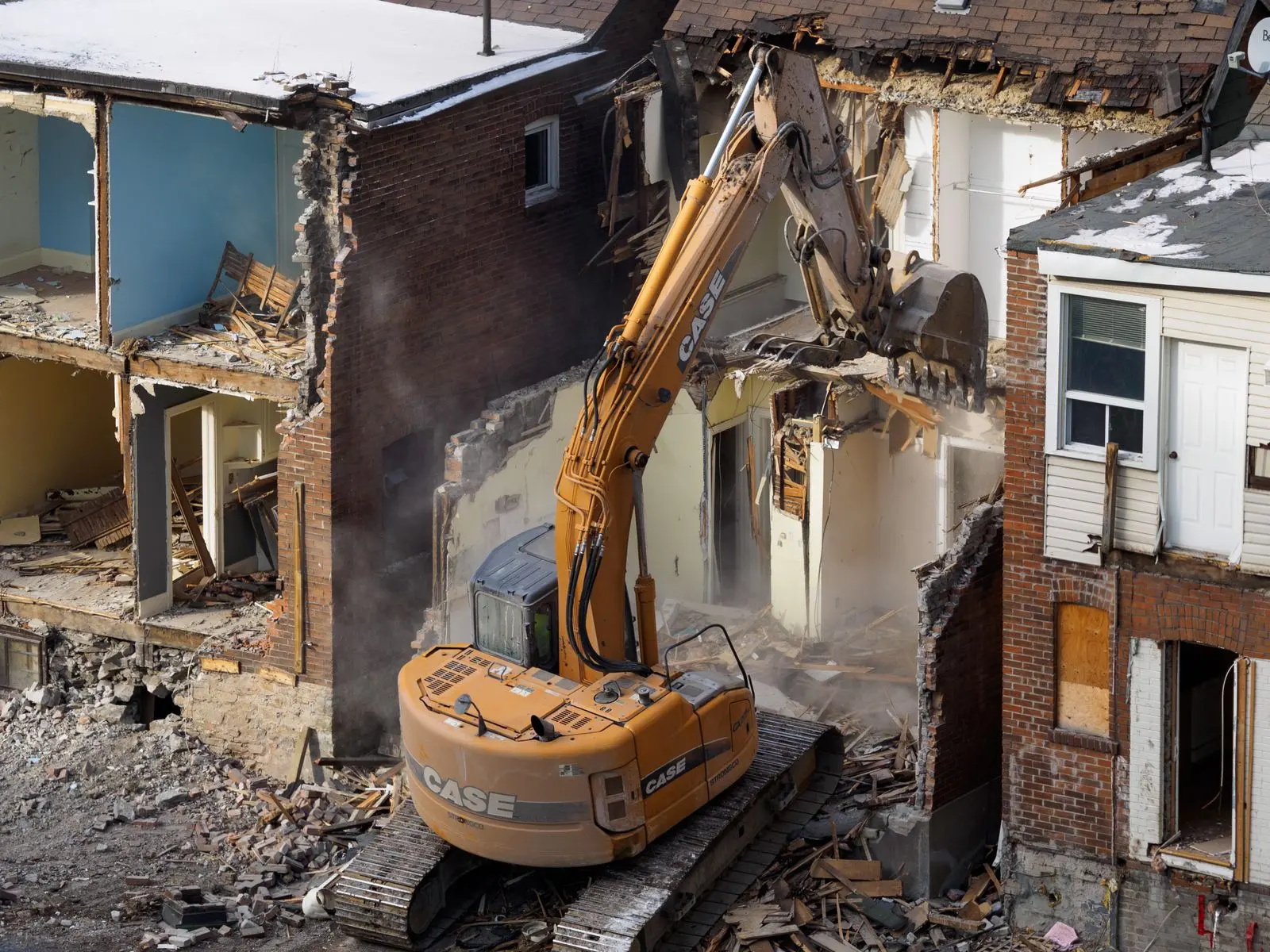
Much of the shoreline from Marina through Carmel lies inside the California coastal zone. Tearing down a building there can require a coastal development permit from the city or county, in addition to the demolition permit. We check the parcel against the local coastal map during the quote, so you know early whether this review applies and can plan the timeline around it.
Ask About Your Site
What a Monterey demolition includes
Every quote spells out the scope in writing so nothing is left to assumption. On a typical residential teardown or tear-out on the peninsula, the items below sit inside the job, from the first walk of the property to the final sweep of the lot. If an item is not on the list, it is not in the price, and we say so.
Some steps are handled by others, such as asbestos abatement by a certified abatement contractor or the gas and electric shutoff by PG&E. We still schedule those pieces and keep them in order so the demolition date holds. You deal with one schedule and one point of contact instead of four separate calendars.
How it works
Most peninsula projects follow the same three stages. The order rarely changes; what changes is how long the paperwork takes in each jurisdiction and how much the lot and street limit the equipment we bring.
01
We walk the property, measure the structures, look at the street, driveway slope and trees, and note anything that needs a closer look. You get a written scope and quote that lists what is included and what is handled by others.
02
The asbestos survey comes first, then MBARD notification, any abatement, and the demolition permit from the city or county. PG&E disconnects gas and electric, the sewer lateral is capped, and tree fencing goes up before equipment arrives.
03
We take the structure down, separate concrete, metal and wood for recycling, remove footings if the scope calls for it, and leave the lot graded and swept. Dust is kept down with water throughout the job.
The building stock around the bay is older and more varied than most of Monterey County. There are board-and-batten cottages from the early 1900s in New Monterey and Carmel, Victorians in Pacific Grove, adobes and brick commercial buildings in Old Town, postwar stucco homes in Seaside and Del Rey Oaks, large estates in Pebble Beach, ranch barns in Carmel Valley, and military-era structures on former Fort Ord land in Marina and Seaside. Each type comes apart differently and hides different materials.
Permits depend on where the parcel sits. Inside city limits, the City of Monterey Community Development Department issues demolition permits and looks at older buildings for historic value before signing off. Pacific Grove, Carmel-by-the-Sea, Seaside, Marina and Del Rey Oaks each run their own building departments. Pebble Beach and Carmel Valley are unincorporated, so Monterey County handles them. If the lot is inside the coastal zone, a coastal development permit may be needed on top of the demolition permit, and that review can take longer than the work itself.
Air quality is regulated by the Monterey Bay Air Resources District. Before most demolitions, a certified inspector surveys the building for asbestos and the district is notified ahead of the start date under its rules and the federal NESHAP standard. If the survey turns up asbestos, a certified abatement contractor removes it before our crew begins; we book that contractor and fit them into the schedule. Lead paint on old siding and trim is common here too, and we contain and handle it accordingly.
We do not put numbers on a job before seeing it, because the same square footage can price very differently on the peninsula. The biggest drivers are size and construction type, how the site is reached, and what the asbestos survey finds. A wood cottage on a raised foundation comes down faster than a two-story home with a full concrete basement, and a slab-on-grade garage is lighter work than one built into a hillside with retaining walls.
Access matters more here than almost anywhere in the region. Steep New Monterey streets, Carmel lots with no room to park a dumpster, and gated private roads in Del Monte Forest all mean smaller trucks, more loads and more hours. Protected cypress, pine and oak trees near the work area add hand demolition time. Coastal or historic review can stretch the calendar, which affects scheduling more than the bill.
Disposal is the other large line. Concrete, asphalt, metal and clean wood are separated and sent to recycling under CALGreen construction waste rules, which keeps tipping costs down on most jobs. Mixed debris, treated wood and roofing cost more to dispose of. If you are rebuilding, ask your designer whether existing water fixtures on the property need to be documented with the water management district before anything is removed; on the peninsula that step can matter for the new house.
Monterey service areas
We work across the City of Monterey neighborhoods, including Old Town, New Monterey, Del Monte Beach and Monterey Vista, and in the neighboring cities of Pacific Grove, Carmel-by-the-Sea, Seaside, Marina and Del Rey Oaks. In unincorporated Monterey County we cover Pebble Beach and Carmel Valley. Each area page explains who permits demolition there and what local conditions shape the job.
City of Seaside
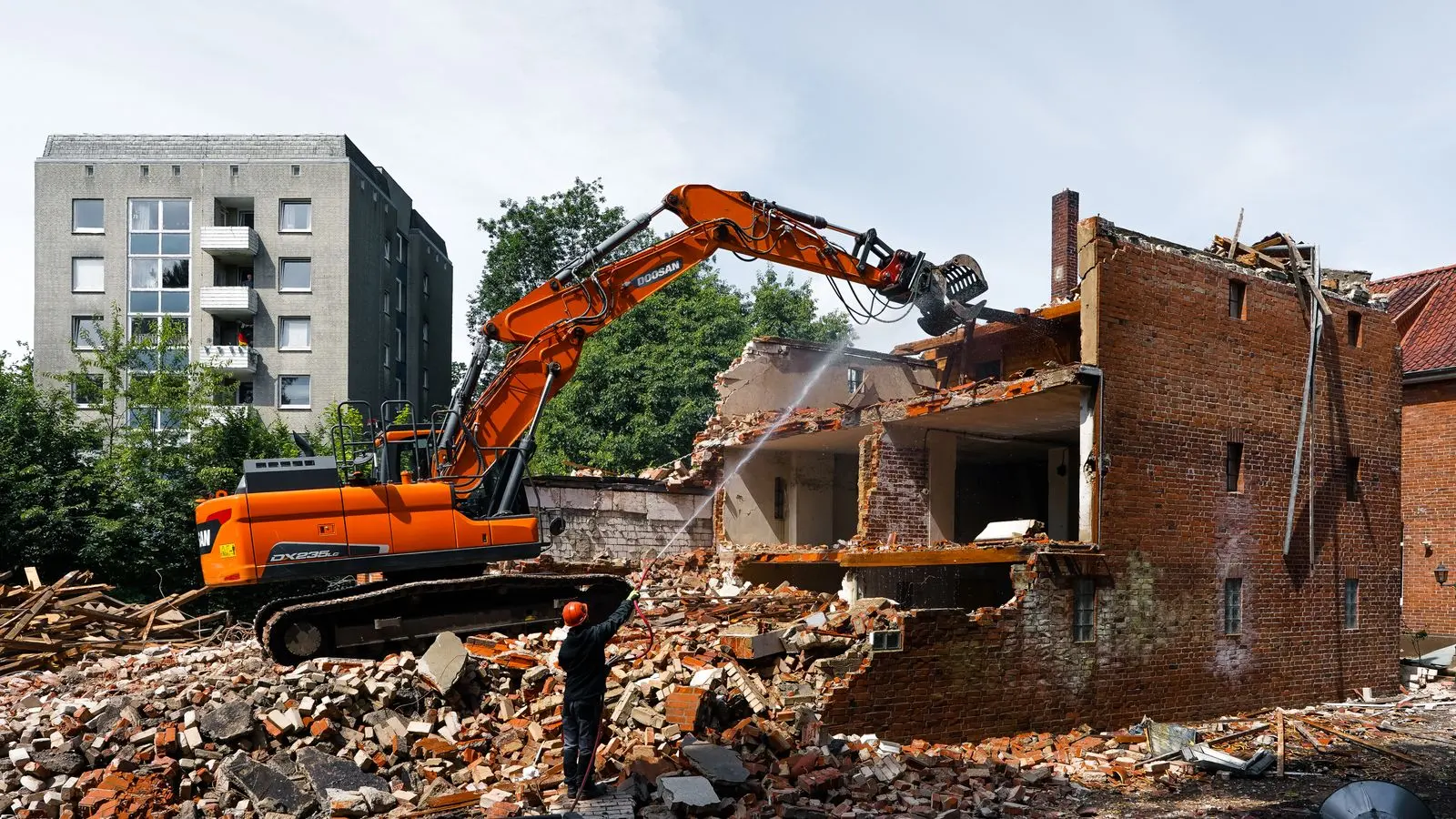
Postwar home teardowns, garage removal for ADUs, commercial demolition along the main boulevards and former Fort Ord redevelopment work across Seaside.
Seaside demolition
City of Marina
Fort Ord building removal, slab breakout on dune sand, commercial demolition and kitchen or bath tear-outs in newer subdivision homes.
Marina demolition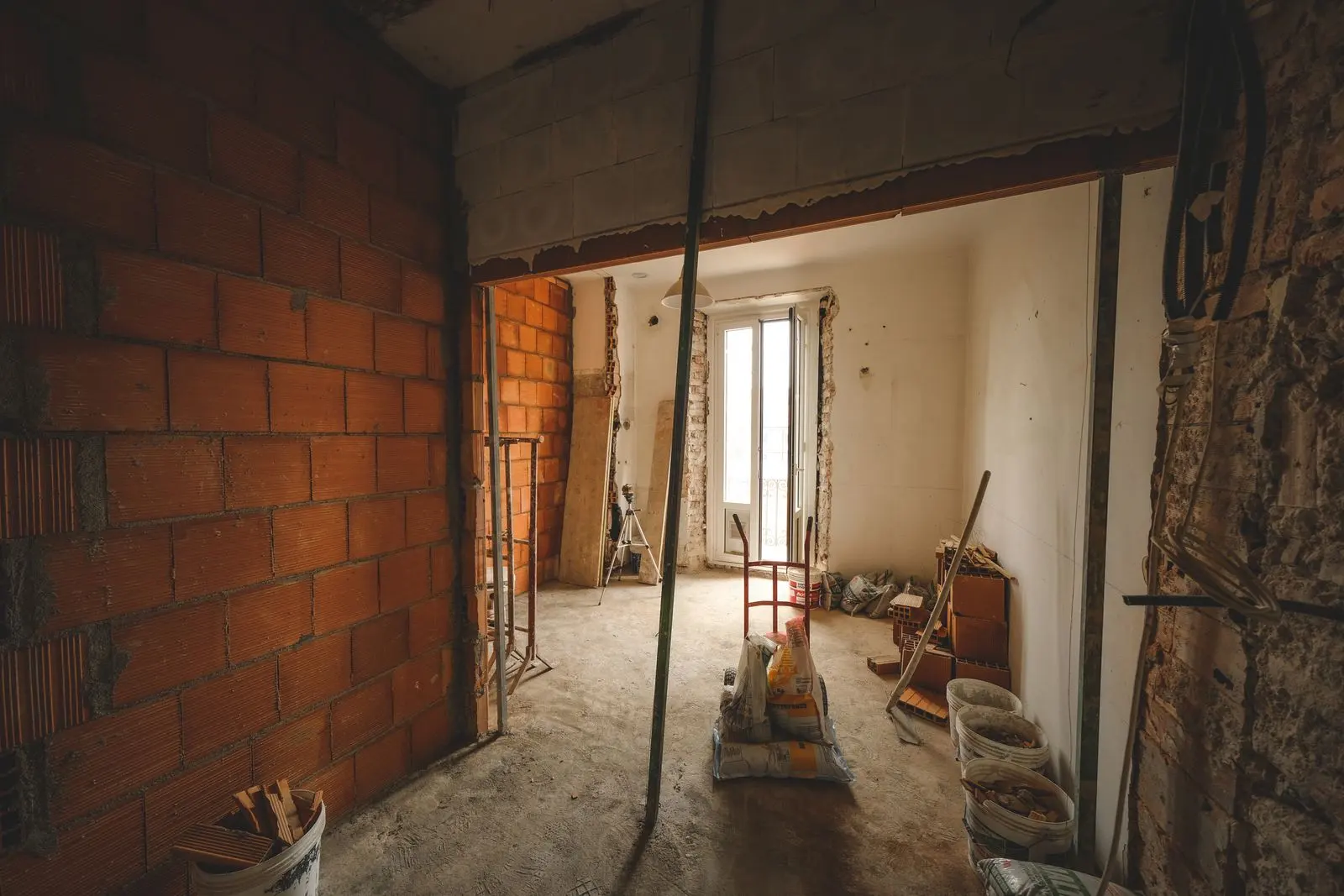
City of Del Rey Oaks
Ranch home teardowns, remodel tear-outs, pool and garage removal under the city's namesake oaks, with root zones fenced before work.
Del Rey Oaks demolitionDemolition FAQs
Yes. A full teardown needs a demolition permit from the city you are in, or from Monterey County for Pebble Beach and Carmel Valley. Older buildings may get a historic review first, and parcels in the coastal zone may also need a coastal development permit.
A certified inspector surveys the building before anything is torn out, and the Monterey Bay Air Resources District is notified ahead of the start date. If asbestos is found, a certified abatement contractor removes it first. We arrange and schedule that contractor; we do not do abatement ourselves.
The physical demolition of a typical single-family home usually takes days, not weeks. The longer part is the lead time: survey, notification, permits, utility disconnects and, in some cases, coastal or historic review. We give you a realistic sequence once we know the parcel.
PG&E disconnects gas and electric service at the meter and the street. The owner usually requests it, and we tell you exactly what to ask for and when. Water and sewer are capped as part of our scope or by your plumber, depending on the job.
Yes. Monterey pine, cypress and coast live oak are protected in most peninsula towns. We fence the root zones shown on the approved plans, keep equipment and stockpiles outside them, and take down anything close to a trunk by hand.
It can. Water for new construction on the peninsula is tightly limited, and fixtures already on the property may count toward what the new house can use. Talk to your architect or the water management district about documenting existing fixtures before demolition starts.
We work within each city's allowed construction hours, which are generally daytime on weekdays with tighter limits on weekends. Carmel and Pacific Grove neighborhoods are quiet and close together, so we plan noisy work like concrete breaking for the middle of the day.
Demolition quote
Tell us about the job through the quote form: what needs to come down, where it is and when you hope to start. We follow up by phone or email within 24 hours.