
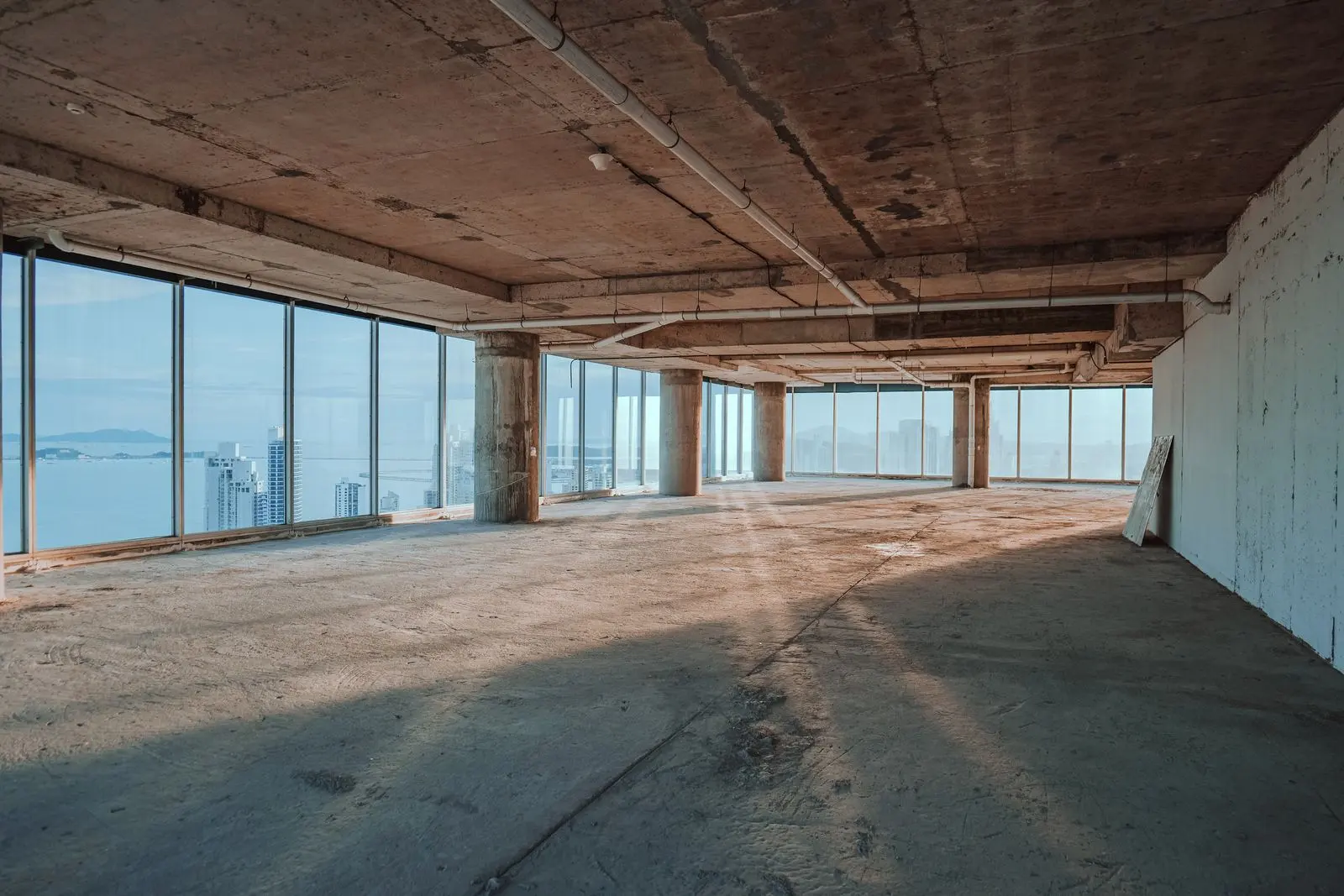
Commercial strip-outs in Monterey
Commercial Interior Demolition in Monterey
Tenant strip-outs for restaurants, shops, tasting rooms and offices, taken back to the shell so the next build-out can start, while the businesses next door stay open.
Tenant Strip-Outs on Cannery Row, Alvarado Street and Lighthouse Avenue
Commercial space on the peninsula turns over often. Restaurants and gift shops change hands in the visitor areas, offices are reconfigured downtown, and older retail on Lighthouse Avenue in New Monterey and Pacific Grove gets refitted for new uses. Each change starts with taking out the previous tenant's improvements. Leases are short in some of these spaces, so the cycle repeats often.
A strip-out usually covers partition walls, ceilings, flooring, millwork, counters, restrooms that are being rebuilt, signage and abandoned wiring and plumbing. The building shell, structure, fire sprinklers and anything the landlord wants to keep stay in place. We work from the landlord's turnover requirements or the new tenant's demolition plan, whichever governs.
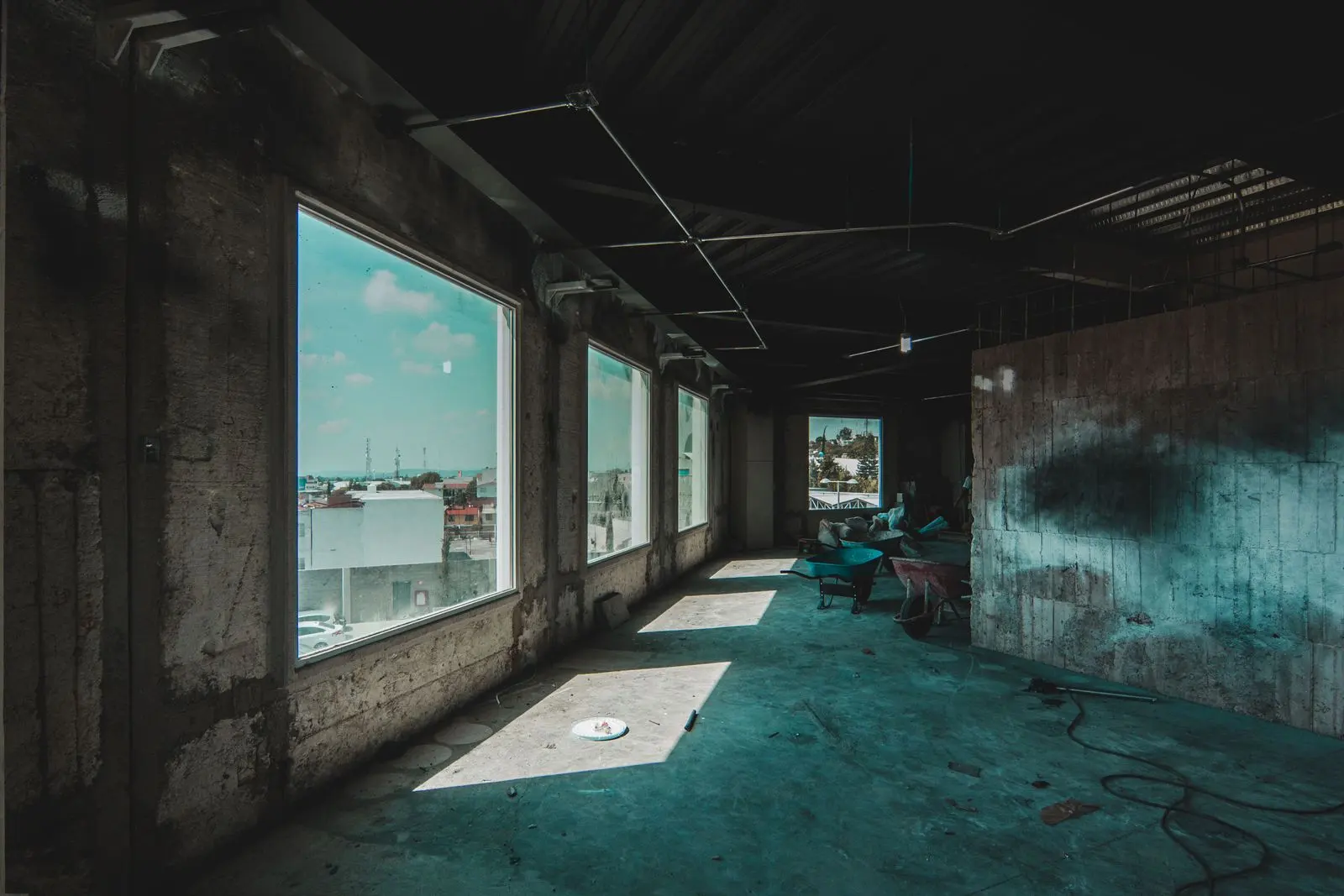
Restaurant Demolition and Kitchen Equipment Removal
Restaurant strip-outs are the heaviest interior jobs. Hoods and duct runs, walk-in coolers, grease traps, quarry tile floors set in mortar and stainless equipment all have to come out. Refrigerants in walk-ins and reach-ins are recovered by a certified technician before anything is cut. Grease ducts are cleaned and taken down in sections. Usable equipment can be pulled out first for resale or reuse, which reduces what goes to disposal. We set it aside in the space or load it for the owner's buyer before demolition starts.
Floors in older restaurant spaces often hide floor sinks, trench drains and patched slabs. When the new layout moves plumbing, we saw-cut and remove slab sections along the lines the plumber marks. We confirm the new plumbing layout before cutting, because a slab cut in the wrong place is expensive to patch, and old spaces sometimes have abandoned lines that are not on any drawing.
Permits, Asbestos and Building Rules for Interior Demolition
Commercial interior demolition is usually covered by the tenant improvement permit from the city. In older buildings, a survey for asbestos comes before any ceilings, floors or walls are disturbed, and notice is filed with the air district. Positive results are handled by a certified abatement contractor ahead of our crew, and we fold that into the schedule.
Landlords and property managers set their own rules: work hours, freight elevator use, protection of common areas, and where dumpsters can go. In multi-tenant buildings downtown, demolition often happens early in the morning or after hours to avoid disturbing other tenants. We confirm those rules before scheduling. Breaking a rule once can cost the tenant goodwill with the landlord for the whole lease.
- Tenant improvement permit in hand before work
- Asbestos survey before ceilings and floors come out
- Landlord work-hour and access rules followed
- Fire sprinklers and life safety systems protected
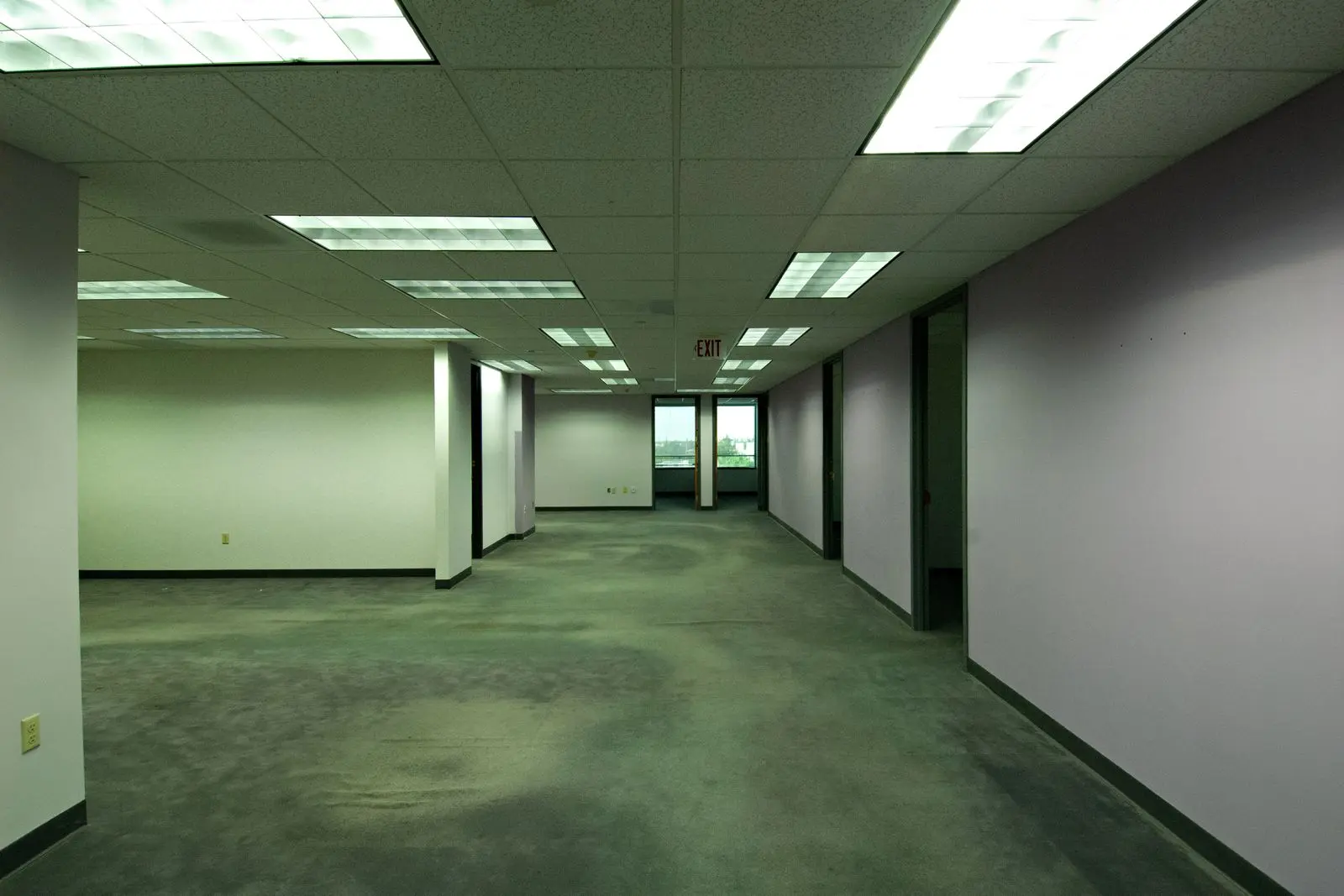
Strip-Outs Around Visitors and Open Businesses
On Cannery Row, near Fisherman's Wharf and along Ocean Avenue in Carmel, foot traffic is heavy most of the year and street parking is scarce. We plan debris removal around delivery windows, use carts and covered bins, and keep sidewalks open and clean. Noisy work like slab cutting is timed to avoid peak hours where the landlord or city requires it.
Shared walls are protected and checked before and after the job. If a neighbor has a concern, the site lead deals with it directly. Before work starts, we photograph shared walls, ceilings and the storefronts on either side, so any later question about damage can be answered from the record. That step protects the tenant, the landlord and the neighbors.
Office and Retail Demolition for Re-Leasing
Property owners preparing a space to re-lease often want a clean shell, ready for the next tenant's design. We remove the old improvements, cap utilities at agreed points, clean the slab and leave the space broom clean. Ceiling grid, lights and HVAC distribution can stay or go based on what the landlord expects the next tenant to need.
Metal studs, ceiling grid, copper and aluminum are separated for recycling. Carpet, ceiling tile and drywall go out in sorted loads where local recycling accepts them. Where a reuse outlet will take them, ceiling tiles, doors and fixtures in good condition are set aside rather than thrown in a bin. The records for every stream go to the tenant or landlord for the permit file.
What Our Commercial Interior Demolition Includes in Monterey
Strip-Out to the Shell
Walls, ceilings, flooring, millwork and fixtures come out to the extent the plans require. The structure, shell, fire sprinklers and any systems the landlord wants kept stay in place and are protected, so the next build-out starts from a known condition.
Restaurant Equipment Removal
Hoods, grease ducts, walk-ins, grease traps and stainless equipment are disconnected and removed after a certified technician recovers the refrigerant. Equipment worth selling can be pulled out intact first and set aside for the owner's buyer.
After-Hours Demolition Scheduling
Noisy or disruptive work is scheduled around neighboring tenants, visitors and landlord rules. Early morning, evening or weekend shifts are available when the building requires them, and quiet tasks fill the busy daytime hours. You see the plan before work starts.
Sorted Commercial Debris Removal
Metal studs, wiring, wood, concrete and drywall are separated for recycling as they come out. Debris leaves in carts and covered bins on the landlord's approved route, and we provide the weight tickets your permit closeout requires.
Commercial Strip-Outs: Job Site Photos

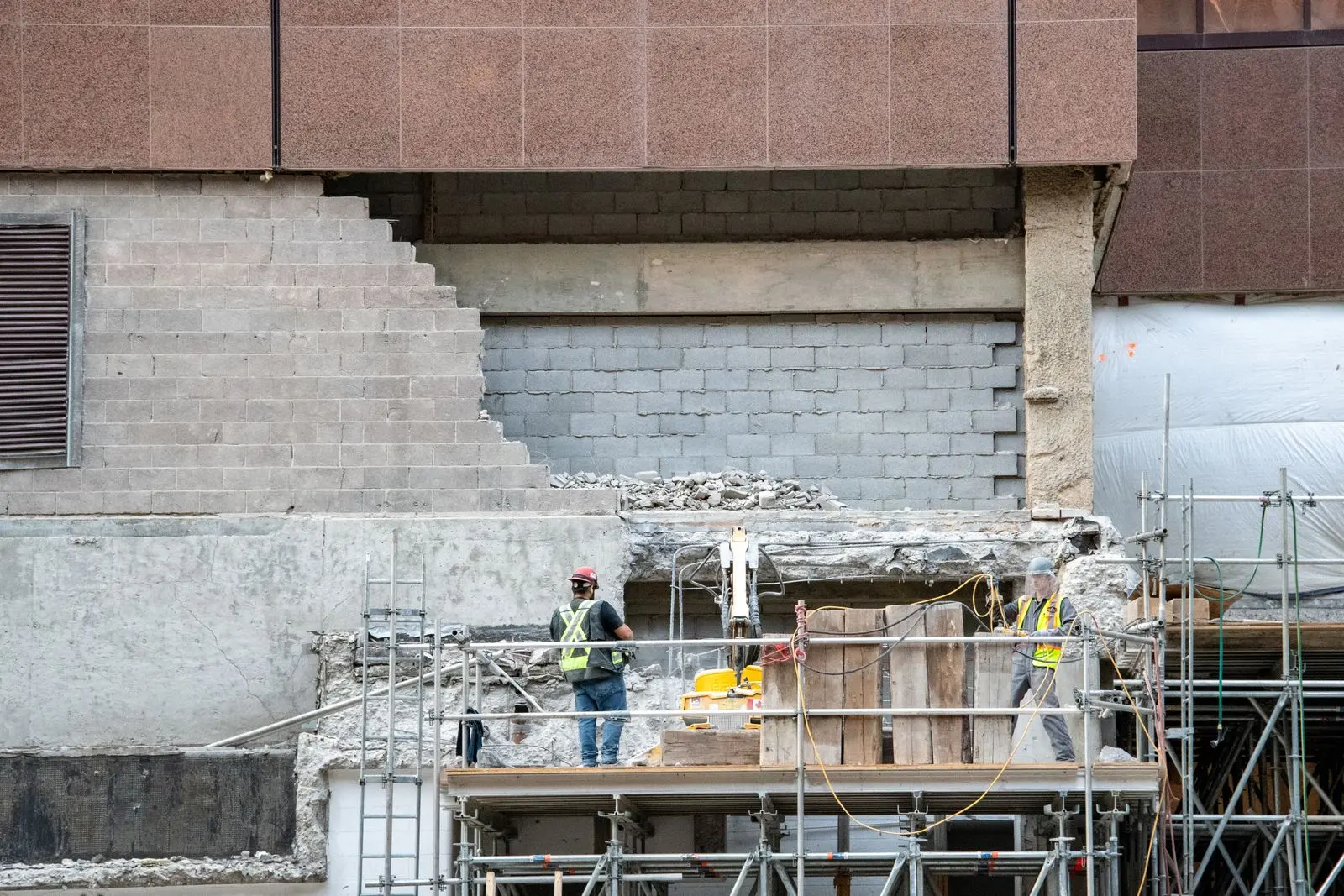
Commercial Interior Demolition Across Monterey
Demolition FAQs
Commercial Interior Demolition Questions in Monterey
How long does a tenant strip-out take?
Small retail or office spaces can be cleared in a few days. Restaurants and larger spaces take longer, especially with equipment removal, slab cutting or asbestos abatement in the schedule.
What affects the cost of a commercial strip-out?
Square footage, what is coming out, restaurant equipment, asbestos findings, access for carts and bins, after-hours work requirements and the amount of debris. We confirm each item at the walk-through.
Can you work while neighboring businesses are open?
Yes. Most of our commercial interior work happens next to open businesses. We control dust and noise, protect shared areas and coordinate schedules with the property manager.
Do you remove asbestos in commercial spaces?
No. A certified abatement contractor removes any asbestos found in the survey before our demolition starts. We coordinate their schedule with ours.
Can equipment be salvaged before demolition?
Yes. Tell us what you want to keep or sell and we will remove it carefully first, or leave it for your buyer to collect.
Demolition quote
Get a Commercial Strip-Out Quote in Monterey
Use the form to describe the space, its square footage and what is coming out. Expect a reply by phone or email within 24 hours.
- Permits
- Demolition
- Haul-off