
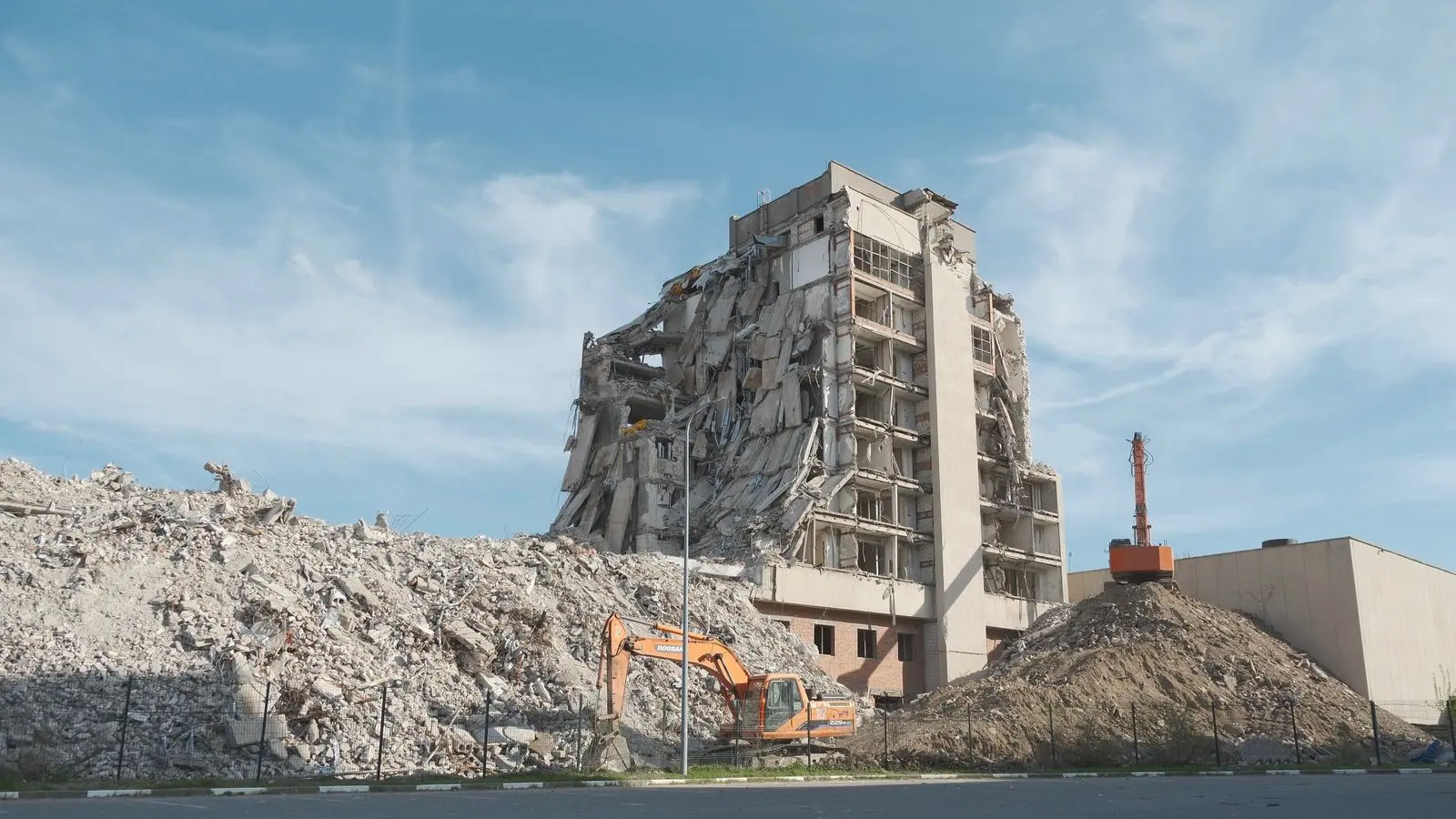
Commercial demolition in Monterey
Commercial Demolition in Monterey
Full teardowns of commercial buildings across the peninsula, planned around tight downtown streets, neighboring businesses, historic review and the visitors who are around most of the year.
Commercial Building Demolition in Monterey
The commercial stock on the peninsula is a mix: older one and two-story buildings downtown and along Lighthouse Avenue, motels and restaurants on Munras Avenue and North Fremont Street, strip retail and auto shops on Del Monte Boulevard in Seaside and Marina, and light industrial buildings near the airport. Redevelopment usually means taking one of these down to build housing, a hotel or mixed-use.
Commercial teardowns here involve more parties than a house: owners, architects, the city, the air district, utilities, neighboring tenants and sometimes Caltrans when a state highway is nearby. We plan the job with all of them in mind and give you a schedule that accounts for each step. Former Fort Ord land in Seaside and Marina is its own category. Old military buildings there were built to Army standards of their era and often contain asbestos and lead paint throughout. Some parcels carry deed restrictions or require coordination with the agencies that oversaw the base cleanup, so we review the parcel history with the owner before scheduling demolition.
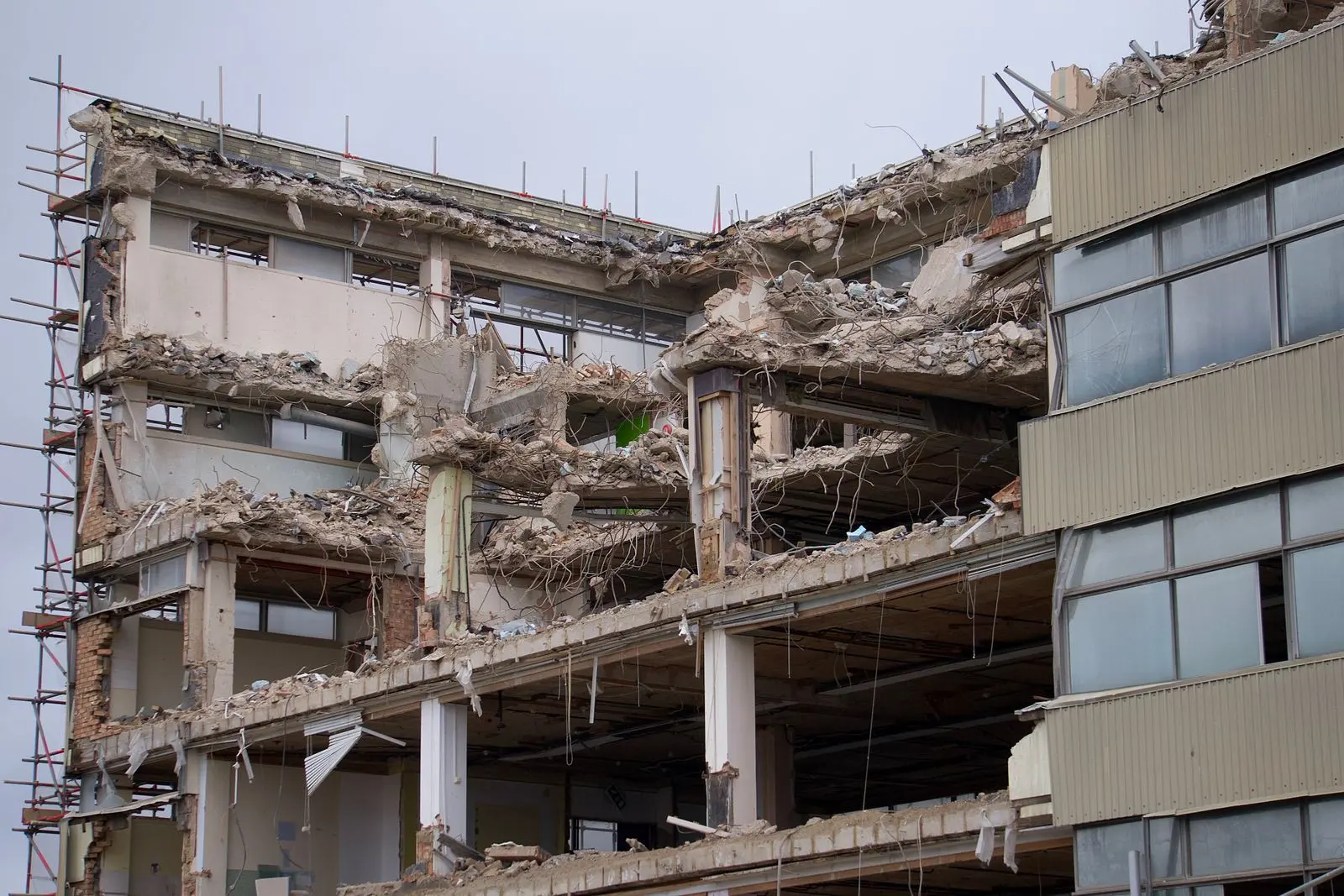
Permits and Historic Review for Commercial Demolition
Commercial demolition in the City of Monterey goes through Community Development for the permit and, for older buildings, historic review. In Old Town and near Cannery Row, a building may be listed or considered a historic resource, and its removal can require environmental review before a permit is issued. Seaside, Marina, Pacific Grove and Carmel have their own processes.
A site inside the coastal zone adds a coastal development permit to the list. We confirm what applies early so the schedule reflects reality, and we work with your architect or land use consultant on the conditions attached to each approval. Approvals sometimes require that a building be photographed and documented before it comes down.
Asbestos Surveys and Hazardous Materials in Commercial Buildings
Commercial buildings from before the 1980s often contain asbestos in floor tile, ceiling tile, roofing, pipe insulation, fireproofing and wallboard. A full survey is required, and notice goes to the Monterey Bay Air Resources District ahead of the start date. Certified abatement contractors remove any asbestos before our crew starts, and we coordinate their scope with ours.
Other items are removed before structural demolition: fluorescent tubes and ballasts, refrigerants in HVAC units and walk-in coolers, mercury switches, and stored chemicals. Each goes to the proper handler. Old transformers, oil-filled equipment and any underground tanks discovered on the site are identified early and handled by the right specialists before our crew starts work.
- Asbestos survey and MBARD notification
- Abatement by a certified contractor first
- Refrigerant recovery from HVAC and coolers
- Lamps, ballasts and chemicals removed properly
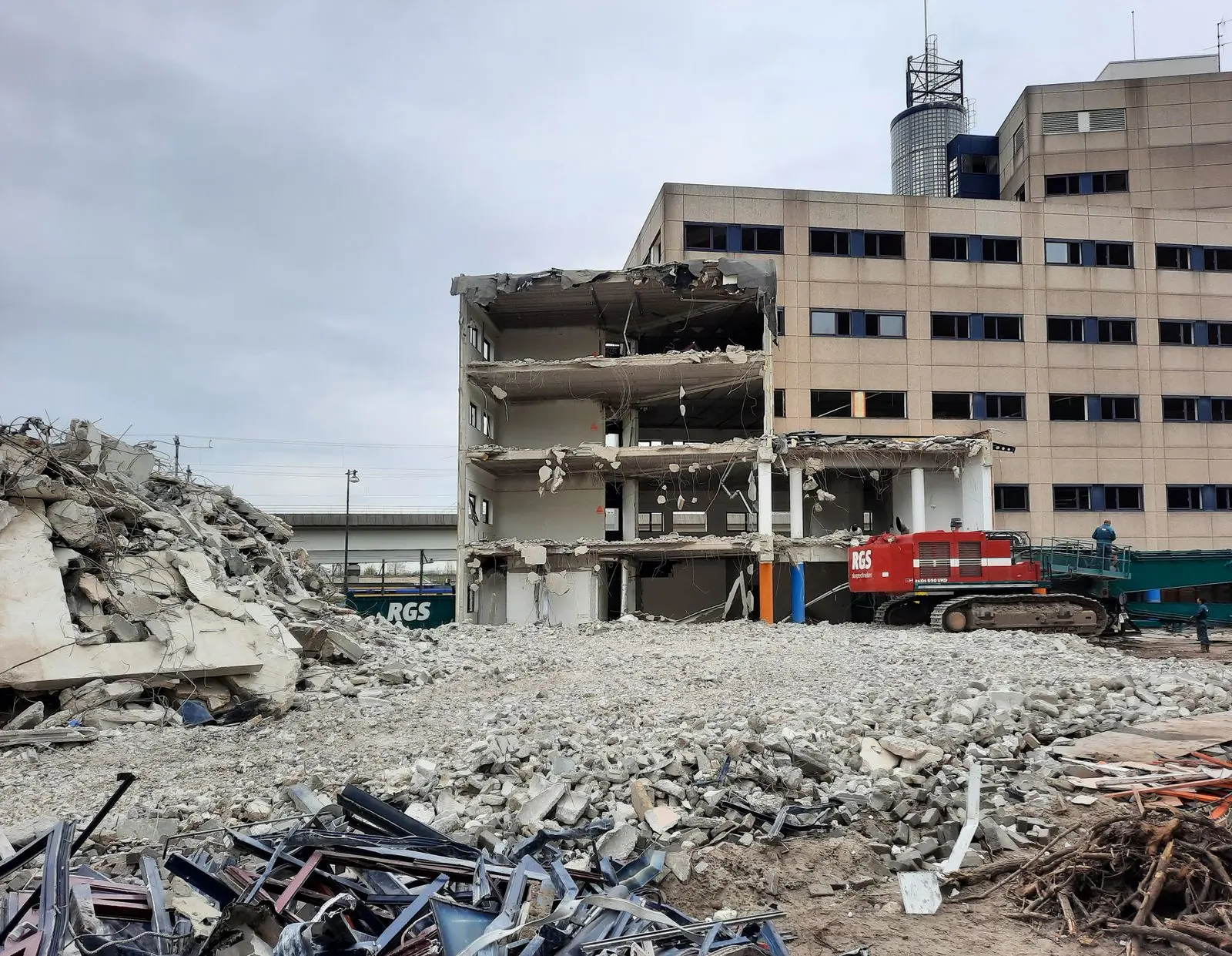
Traffic, Dust and Neighbors on Commercial Demolition Sites
Downtown Monterey and Pacific Grove streets are narrow and busy with visitors much of the year. We set up fencing, pedestrian protection and traffic control as the encroachment permit requires, and schedule truck traffic to avoid the busiest hours. Water spray controls dust from start to finish. When a building shares a wall with a neighbor, we separate the structures carefully, protect the exposed wall and leave it weathertight for the owner to finish.
Salt air is hard on commercial buildings near the water. Steel beams, roof decks and rebar near Cannery Row and the wharf area are often badly corroded, which changes how a structure behaves as it is taken apart. We look at the connections before work starts and plan the sequence so nothing drops unexpectedly.
Recycling Commercial Demolition Materials
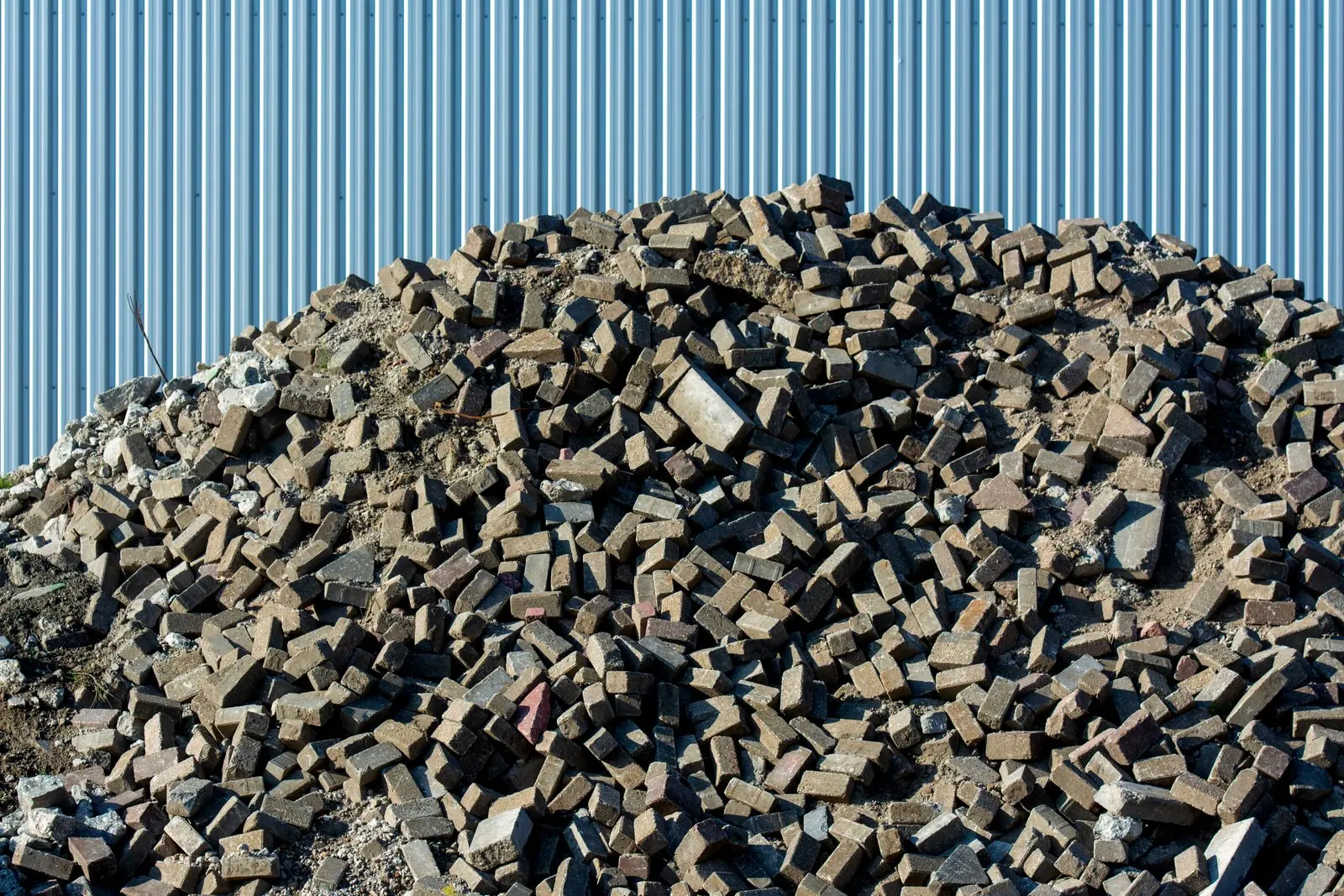
Commercial jobs produce large volumes of concrete, steel, wood and mixed debris. We sort on site and send concrete, asphalt and metal to recyclers to meet CALGreen and local diversion requirements, and provide the records your permit closeout needs. Separating material at the source keeps more of it out of landfill than sorting mixed loads later.
Fixtures, doors and equipment with resale value can be removed before demolition for reuse or donation. Restaurant equipment, display cases, solid wood doors and light fixtures from older downtown buildings are the usual candidates. The owner decides what goes where, and we schedule pickups before structural demolition begins so nothing is lost in the debris.
What Our Commercial Demolition Includes in Monterey
Commercial Demolition Planning
We review plans, surveys and site conditions, then build a schedule that covers permits, abatement, utility disconnects, traffic control and neighbor notices. Everyone on the project, from the owner to the city inspector, can see the sequence and the dates.
Utility Disconnects for Commercial Sites
Gas and electric disconnects are coordinated with PG&E, water and sewer laterals are capped, and fire service lines are handled with the water provider and fire department. Nothing is demolished until each utility is confirmed dead at the building.
Structural Demolition and Separation
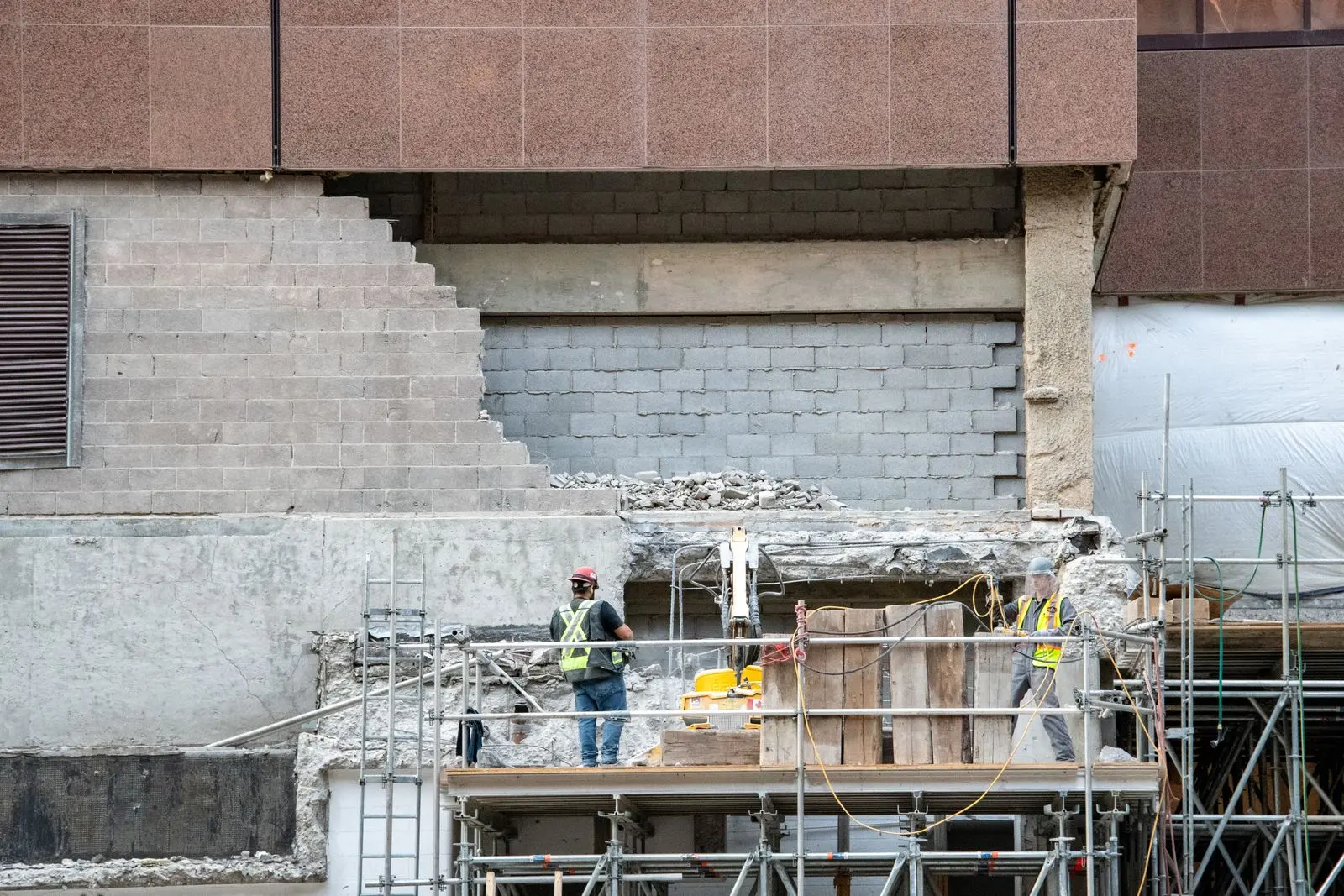
Buildings come down in a planned sequence, from the roof down and the inside out, with shared walls and neighboring structures protected. Corroded steel and old connections are checked first so the structure behaves the way the plan expects.
Site Cleared for Redevelopment
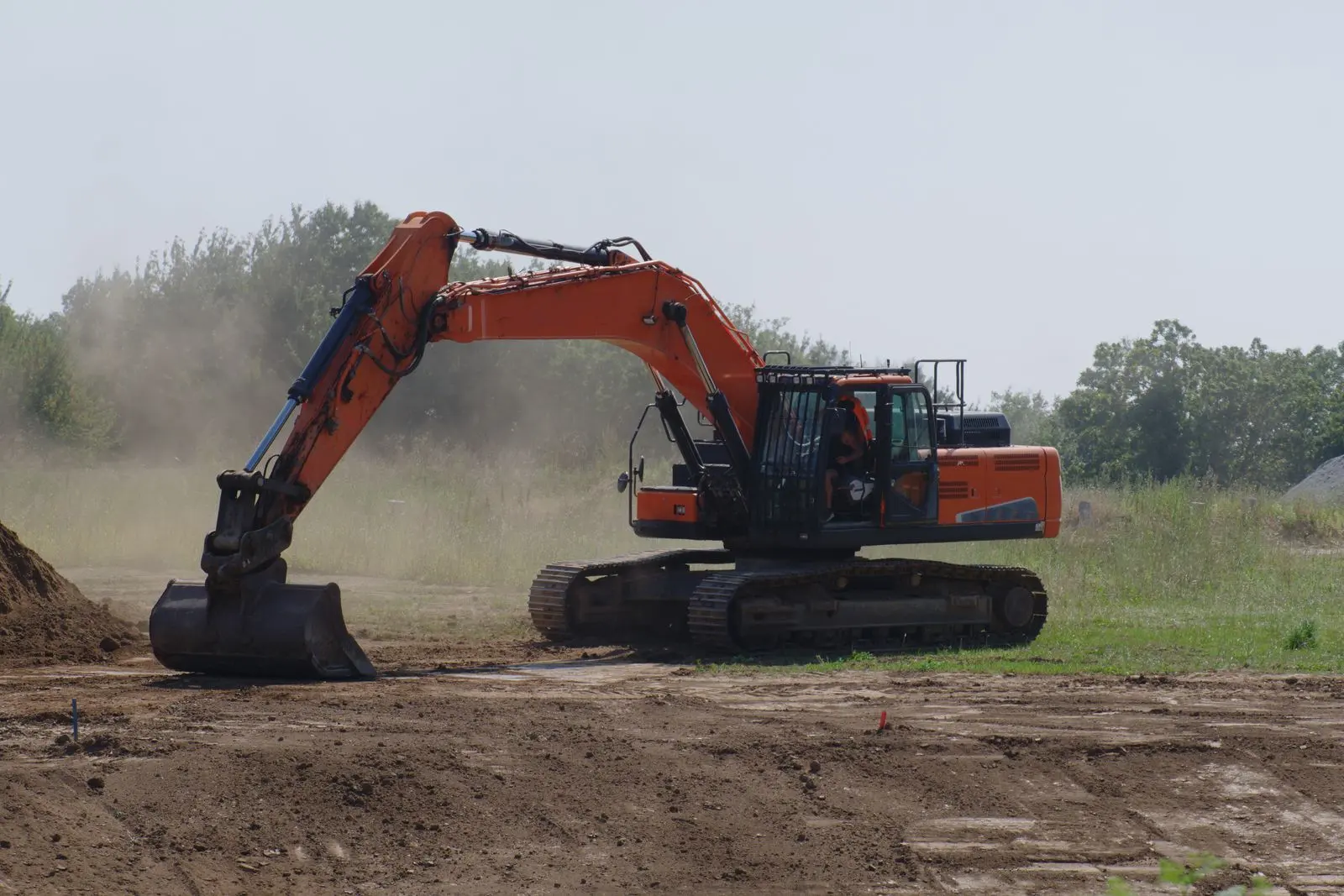
Foundations, slabs, paving and old underground utilities are removed as the redevelopment plans require. The site is graded, erosion controls are in place, and recycling records are ready for the permit file when the next contractor arrives.
Commercial Demolition: Job Site Photos
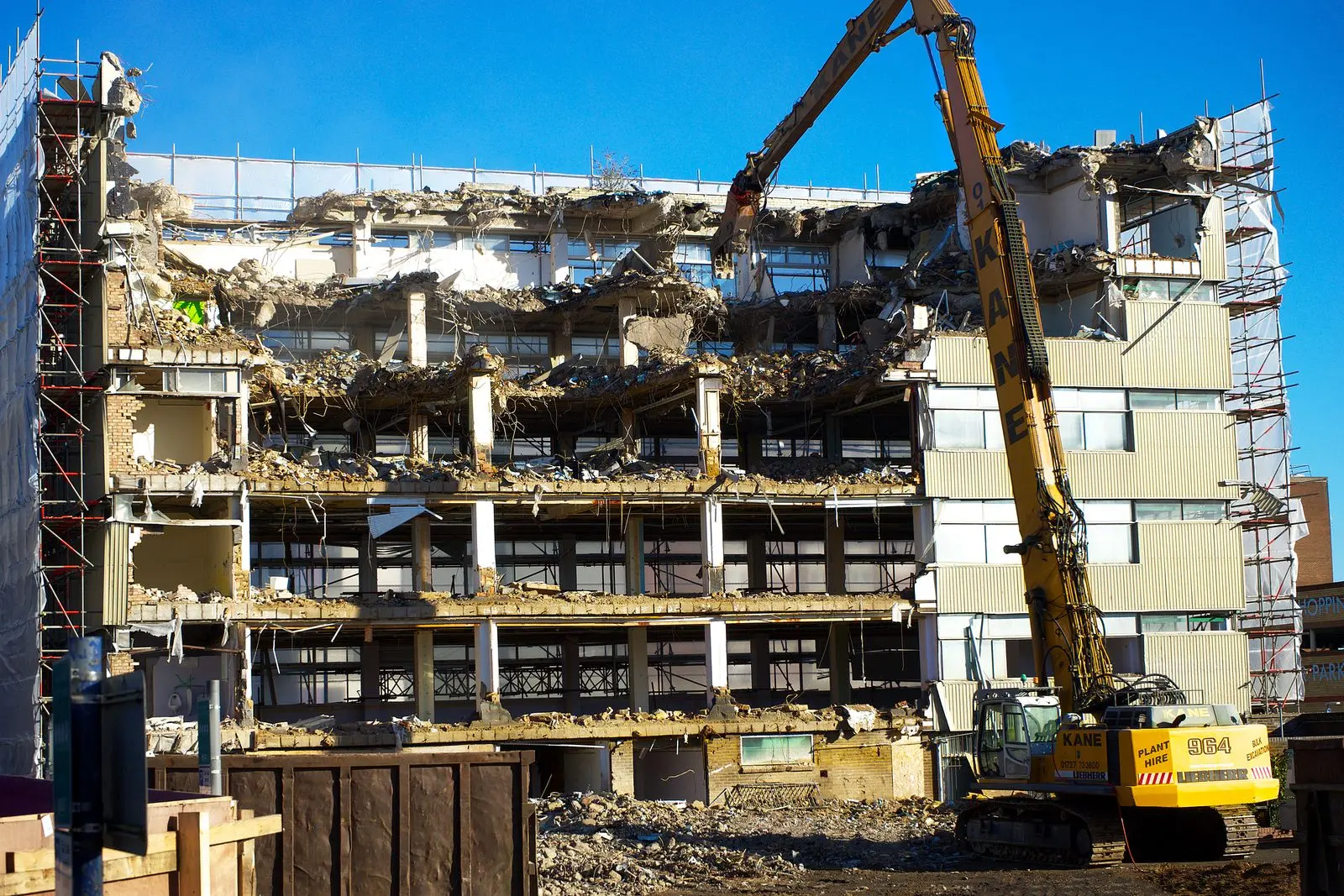
Commercial Demolition Across Monterey
Demolition FAQs
Commercial Demolition Questions in Monterey
How long does commercial demolition take?
It depends on building size, construction type, asbestos abatement and permitting. Smaller buildings may take a week or two of site work; larger or complex sites take longer. Permits and historic review are often the longest part.
What affects the cost of commercial demolition?
Building size and construction, hazardous material abatement, shared walls, street access and traffic control, foundation removal, and disposal and recycling. Downtown sites with limited staging cost more to work on.
Do you handle asbestos removal?
No. Asbestos is removed by a certified abatement contractor before demolition. We schedule and coordinate that work so the project stays on track.
Can you demolish a building attached to another?
Yes. We separate the buildings carefully, protect the remaining wall and leave it weathertight. The approach is worked out with the structural engineer.
Can the building stay occupied next door during demolition?
Usually yes. Neighboring businesses stay open while we work. We set up fencing and walkways, control dust, keep entrances clear and talk to neighbors about noisy days in advance.
Demolition quote
Get a Commercial Demolition Quote in Monterey
Describe the building, its location and your timeline in the quote form. We follow up within 24 hours and will ask for surveys or plans when we talk.
- Permits
- Demolition
- Haul-off