
Deconstruction in Monterey
Deconstruction and Salvage in Monterey
Hand dismantling of older peninsula buildings so the redwood, fir, doors, windows, hardware and fixtures can be reused instead of crushed and landfilled with the rest of the debris.
Deconstruction of Older Monterey Homes
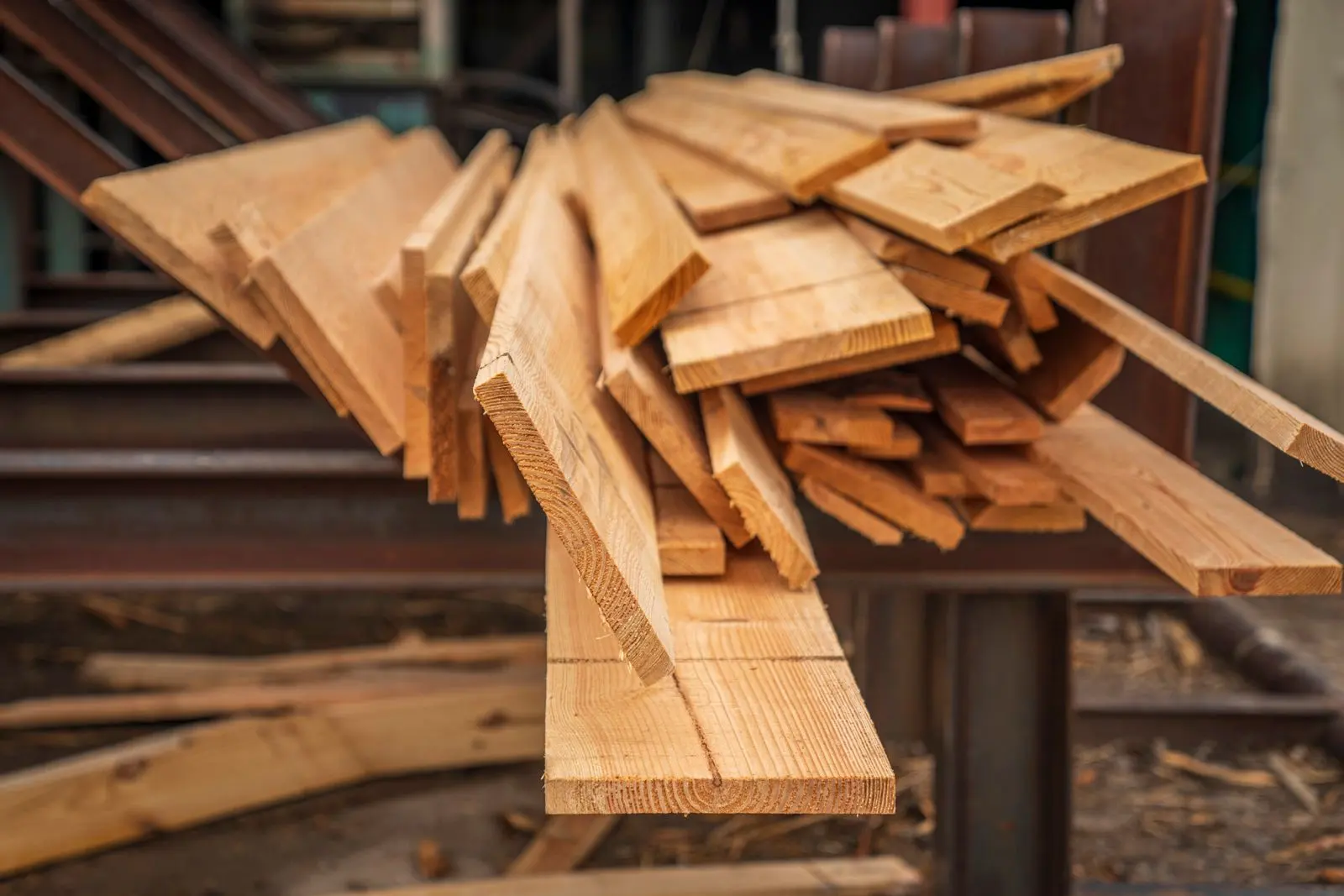
Many peninsula homes built before World War II were framed and sided with old-growth redwood and Douglas fir. That lumber is tighter grained and more rot resistant than anything sold today, and it has real value to builders, furniture makers and restoration projects. Deconstruction takes the building apart in roughly the reverse order it was built so that material can be saved. It is slower and more labor intensive than machine demolition, so it fits best when the building has good material and the owner values reuse, or when local rules or the design review process favor it.
The peninsula has plenty of candidates. Carmel cottages from the 1920s, board-and-batten houses in New Monterey that started as cannery worker housing, and Pacific Grove homes built on what began as small retreat lots were all framed from wood that is hard to find today. When one of them is coming down for a rebuild, it is worth asking what can be saved before a machine reaches it.
What Can Be Salvaged From Peninsula Buildings
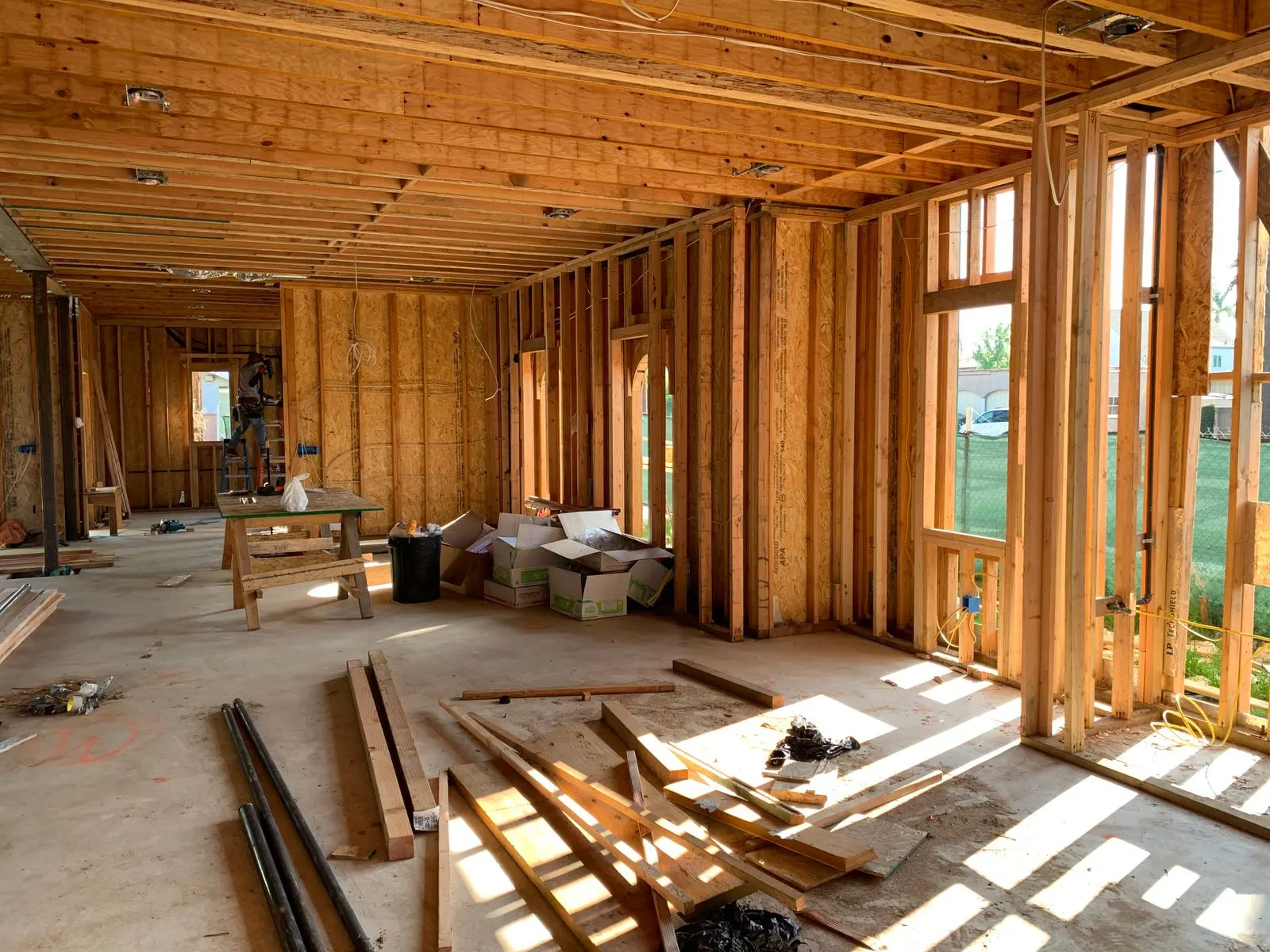
Typical salvage from cottages in Carmel, Pacific Grove and New Monterey includes redwood siding and framing, fir floors, wood windows, doors and trim, clawfoot tubs, sinks, light fixtures, brick and stone. Commercial buildings may yield heavy timber, steel and architectural pieces. Old-growth redwood siding in particular is sought after for repairs on other historic homes.
We look at the building with you before quoting and give an honest view of what is likely worth saving. Some old wood is too damaged by termites or rot, and lead paint on trim and siding limits some reuse. Nails, hardware and paint layers add handling time, which we factor into the quote.
- Old-growth redwood siding and framing
- Fir flooring and heavy timbers
- Wood windows, doors and trim
- Tubs, sinks, fixtures, brick and stone
Deconstruction in Historic and Design Review Areas
In places like Carmel-by-the-Sea and Pacific Grove, removing an older home can involve historic evaluation and design review. Even when the building is not protected, salvaging features like windows, doors and stone can be part of the approval discussion. We work with your architect to document and remove what the plan calls for. Hand dismantling also produces less dust, noise and vibration than machine demolition, which matters on small lots close to neighbors.
Some owners also deconstruct part of a building and keep the rest. A front facade or a street-facing room may be preserved to satisfy review, while the rear is taken apart for a new addition. That kind of partial job needs careful shoring and a clear line on the plans showing exactly where deconstruction stops.
Asbestos and Lead in Deconstruction Projects
Deconstruction is still demolition under air district rules. An asbestos survey and notification to the Monterey Bay Air Resources District come first, and any asbestos is removed by a certified abatement contractor before salvage begins. We coordinate that schedule. Skipping that step can stop a salvage job partway through, which is worse for everyone.
Lead paint on salvaged wood is common. Painted pieces are handled carefully and labeled, and the buyer or reuser is told about the paint so they can deal with it properly. Pieces with peeling paint can be stripped by the buyer under proper controls or kept for uses where the paint is sealed. We do not sand or burn paint off on site.
Where Salvaged Materials Go
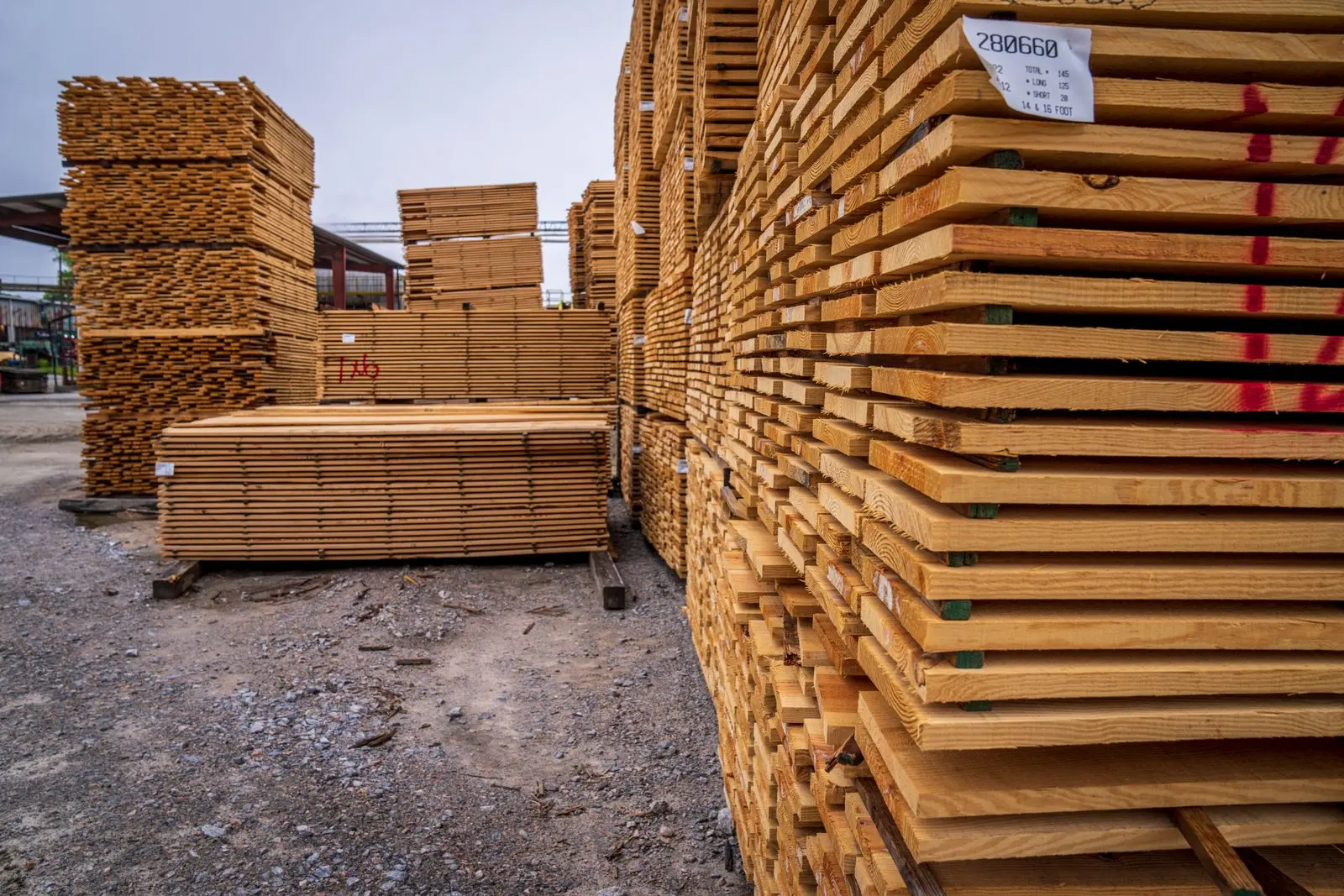
Salvaged materials can stay with the owner for use in the new house, go to reuse stores and nonprofits that accept building materials, or be sold to buyers who want old-growth lumber and period fixtures. We help you decide what to keep and arrange pickup or delivery. Donations may also have tax value, which is a question for your accountant.
Whatever cannot be salvaged is demolished conventionally and sorted for recycling under CALGreen rules. That usually includes plaster, drywall, roofing, damaged framing and the foundation. Concrete goes to crushing, metal to scrap and the remainder to a sorting facility, so even the non-salvage part of the job keeps most material out of landfill.
What Our Deconstruction Includes in Monterey
Salvage Assessment Before Deconstruction
We walk the building with you, look at the framing, siding, floors and fixtures, and identify what is likely worth saving before you choose deconstruction or conventional demolition. You get an honest view, including what is too damaged to reuse.
Hand Deconstruction and Denailing
Material is removed by hand in roughly the reverse order it was built, then denailed, sorted by size and stacked. Boards come off whole wherever possible so they are ready for reuse, resale or donation.
Labeled Salvage Inventory
Salvaged pieces are labeled and listed as they come out, from windows and doors to bundles of siding and flooring. You know what was saved, what condition it is in and where each item went after the job.
Recycling After Deconstruction
Whatever cannot be reused is demolished and sorted for recycling, with weight tickets kept for your permit file. Concrete, metal and clean scrap wood each go to their own outlet instead of leaving in one mixed load.
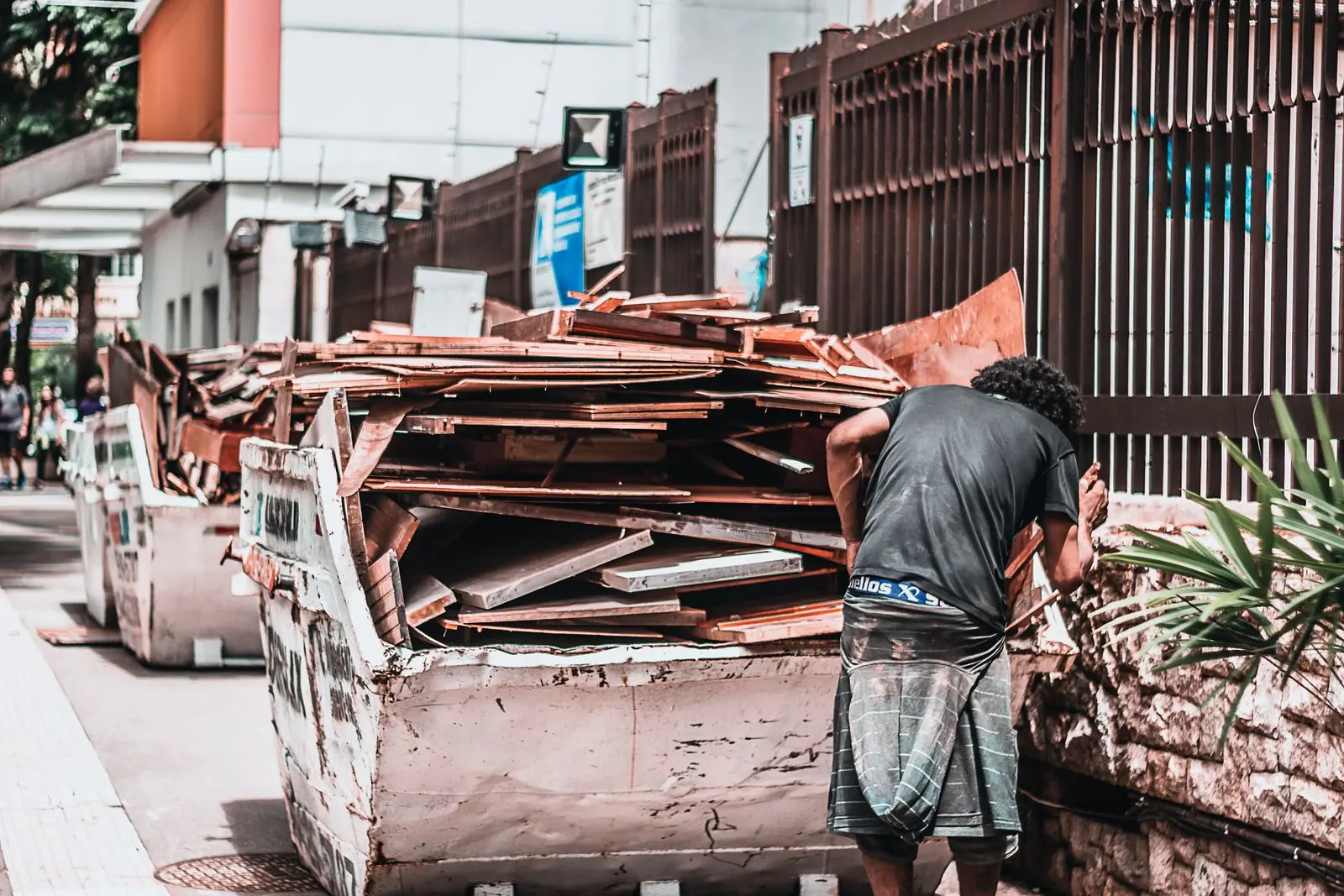
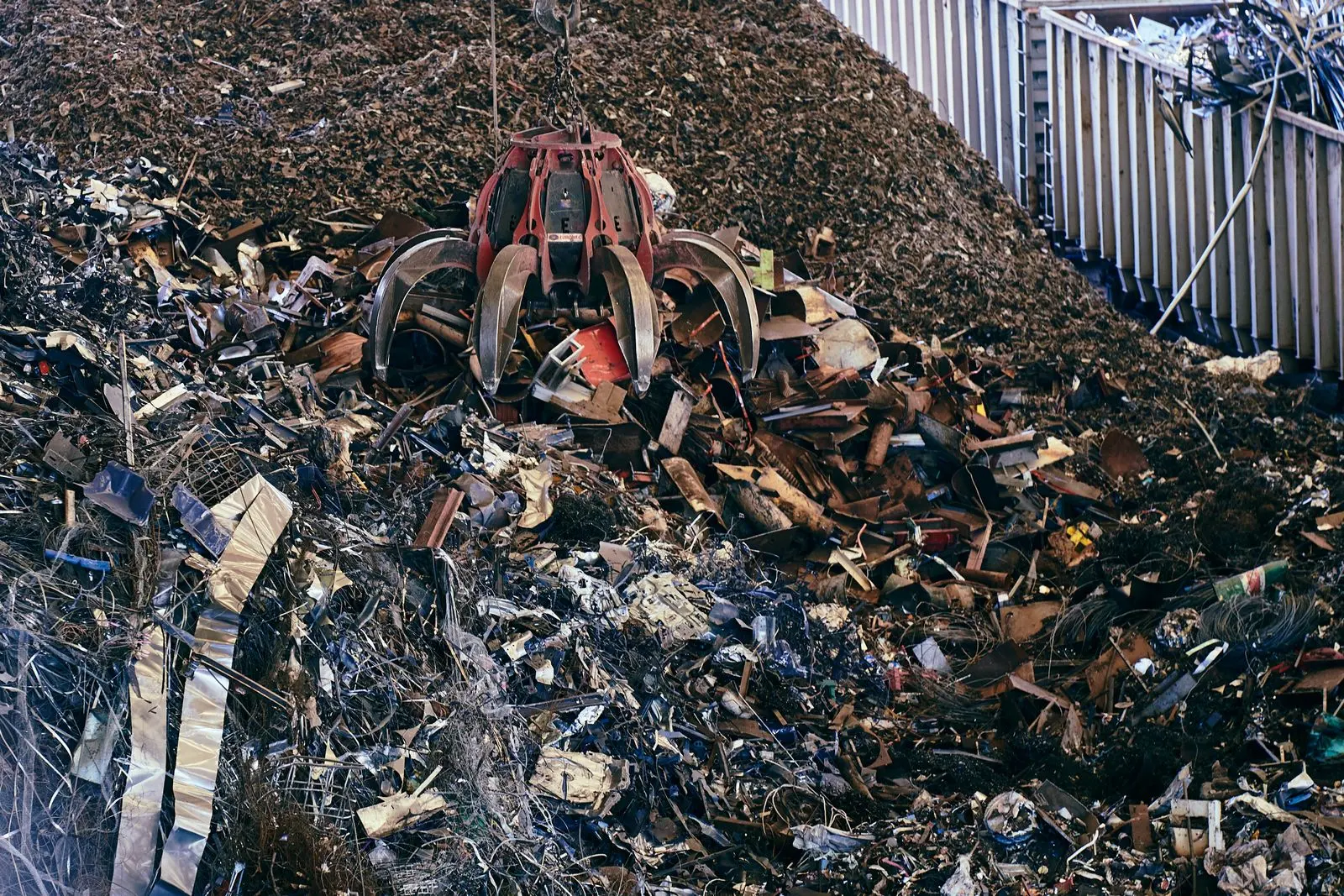
Deconstruction: Job Site Photos
Deconstruction and Salvage Across Monterey
Demolition FAQs
Deconstruction Questions in Monterey
Does deconstruction cost more than demolition?
Usually the labor is higher, because the building is taken apart by hand. The value of salvaged material and any tax benefit from donations can offset some of that. We give you both options so you can compare.
How long does deconstruction take?
Longer than machine demolition. A small house may take a couple of weeks or more depending on how much is salvaged.
Is deconstruction required in Monterey?
Not as a general rule, but historic review or design review in some cities may favor salvage. We check what applies to your property.
Can I keep salvaged materials for my new house?
Yes. Many owners reuse old redwood, doors or fixtures in the new design. Tell us what you want to keep and we will set it aside.
Is old-growth redwood really worth saving?
Often yes. It is tight-grained, stable and hard to find today. Condition matters, so we look at it closely before recommending salvage.
Can deconstruction happen under protected trees?
It is often the better choice there. Taking a house apart by hand keeps heavy machines out of the root zone of a pine or oak that has to stay. Hand work near trees is one reason Carmel and Pebble Beach jobs lean toward partial deconstruction.
Demolition quote
Get a Deconstruction Quote in Monterey
Let us know what the structure is, its approximate age and the salvage you have in mind, whether that is redwood siding or a single front door. A reply follows within 24 hours.
- Permits
- Demolition
- Haul-off